

Male Breast Reduction Exercises: Can Exercise Get Rid of Gynecomastia?
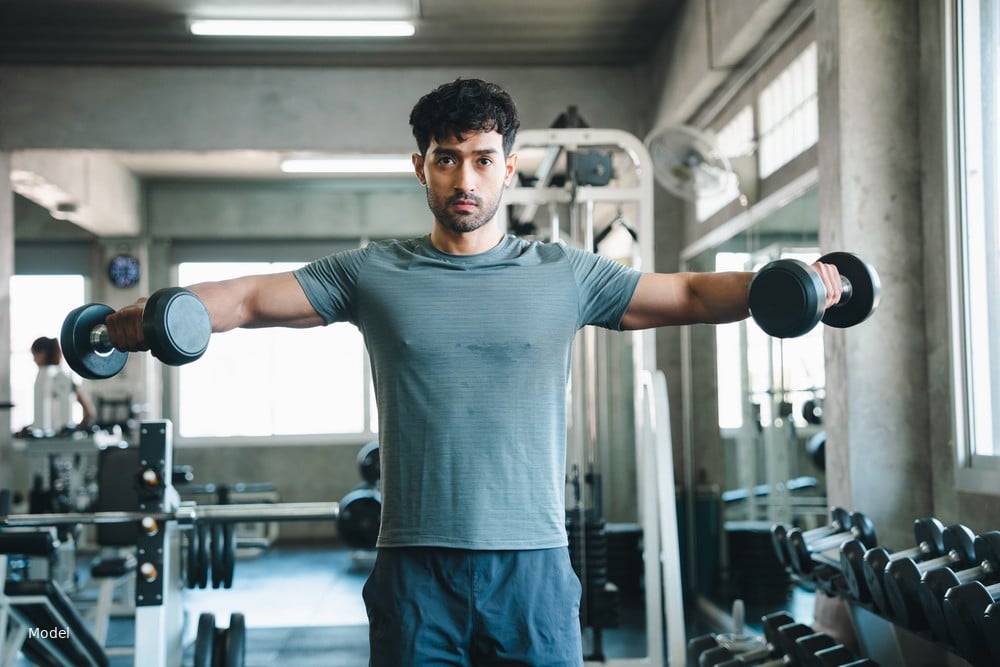
If you have been doing push-ups, bench presses, cardio, or weight-loss workouts and still see fullness in your chest, you may wonder whether you simply need a better routine. Male breast reduction exercises can strengthen your chest and help reduce excess body fat, but they cannot remove the glandular breast tissue that causes true gynecomastia. That distinction matters when you are deciding whether to keep training or speak with a gynecomastia specialist.
For some men, exercise can noticeably improve chest contour. For others, even reaching a healthy weight and building strong pectoral muscles leaves the same enlarged breast tissue or puffy nipple appearance, often called “man boobs.” Understanding what type of tissue contributes to your chest can help you choose a more effective next step.
Table of Contents
- Can Male Breast Reduction Exercises Get Rid of Gynecomastia?
- What Are the Best Male Breast Reduction Exercises for Chest Muscle Appearance?
- How Can You Tell Whether Chest Exercise Is Likely to Help?
- What if Your Chest Still Looks Enlarged After Exercise?
- Why Choosing a Male Breast Reduction Surgery Specialist Matters
- Frequently Asked Questions About Male Breast Reduction Exercises
- Schedule a Gynecomastia Surgery Consultation in San Francisco, CA
Can Male Breast Reduction Exercises Get Rid of Gynecomastia?
Exercise can improve the appearance of your chest, but whether it reduces breast fullness depends largely on what creates that fullness. Gynecomastia involves an increase in glandular breast tissue, while pseudogynecomastia involves excess fatty tissue in the chest without the same increase in glandular tissue.
Glandular tissue does not respond to diet or exercise. Weight loss and exercise may decrease pseudogynecomastia when excess body fat contributes to chest size, but exercise does not eliminate glandular gynecomastia.
This means you can become leaner, stronger, and more muscular without eliminating true gynecomastia. If you have both excess fat and glandular tissue, weight loss may improve part of your chest contour while persistent breast tissue remains.
What Are the Best Male Breast Reduction Exercises for Chest Muscle Appearance?
No workout can directly remove glandular breast tissue. However, strength training and cardiovascular exercise can improve your pectoral development and overall body composition, especially when excess fat contributes to the appearance of an enlarged chest.
Push-Ups
Push-ups primarily work your chest and triceps while also engaging muscles in your shoulders and core. They provide a simple way to strengthen your upper body without gym equipment.
Push-ups may help your chest look stronger and more defined as your pectoral muscles develop. They will not, however, shrink glandular breast tissue. If puffy nipples or breast projection remain despite consistent training and fat loss, additional chest workouts may not address the underlying issue.
Bench Presses and Chest Resistance Exercises
Bench presses and other chest-focused resistance exercises can build your pectoral muscles and improve upper-body definition.
Building more muscle does not mean eliminating gynecomastia. Glandular breast tissue can remain over the pectoral muscle even when you develop a lean, athletic chest.
Cardio and Full-Body Exercise
Cardiovascular exercise can support weight loss and reduce overall body fat. Walking, jogging, swimming, cycling, and aerobic activities may therefore improve pseudogynecomastia when excess fat contributes to chest size.
Combining cardio with resistance training can help you improve your overall physique while giving you a better sense of how much of your chest fullness responds to changes in body composition.
How Can You Tell Whether Chest Exercise Is Likely to Help?
The important question is not always whether you exercise enough. You need to determine whether fat, glandular breast tissue, or a combination of both contributes to the chest appearance that concerns you.
Gynecomastia features include puffy nipples, chest asymmetry, firm or rubbery tissue beneath the nipple, and chest tenderness or sensitivity.
If you have lost weight and developed your chest but still notice persistent fullness or projection around the nipple and areola, additional exercise may have limited influence on that tissue. A professional evaluation can help determine what contributes to your chest contour instead of leaving you to guess based on your workout results.
You should also seek medical evaluation for symptoms such as nipple discharge, significant pain or tenderness, a firm or hard lump, or changes affecting one breast, since other conditions can sometimes cause breast changes in men.
What if Your Chest Still Looks Enlarged After Exercise?
If you have worked consistently on your fitness and still feel frustrated by your chest, simply adding more push-ups or another chest workout may not solve the issue. Persistent glandular tissue requires a different approach than excess body fat.
For men with true gynecomastia, male breast reduction surgery can directly remove tissue that exercise cannot eliminate. Gland excision is the surgical removal of dense glandular tissue, and liposuction may be used when excess fatty tissue also contributes to the chest contour. Dr. Delgado selects the appropriate technique, or combination of techniques, based on each patient’s anatomy and degree of gynecomastia.
A consultation can become particularly valuable when you cannot tell whether you have gynecomastia, pseudogynecomastia, or both. Dr. Delgado can assess your chest and explain which changes exercise may accomplish and which concerns may require surgical treatment.
Why Choosing a Male Breast Reduction Surgery Specialist Matters
Male breast reduction involves more than decreasing chest volume. Your surgeon must evaluate the glandular tissue, fatty tissue, skin, symmetry, and existing chest anatomy when developing a treatment plan.
Miguel Delgado, M.D., F.A.C.S., is certified by the American Board of Plastic Surgery and is a member of the American Society of Plastic Surgeons. With more than 30 years of surgical experience, Dr. Delgado focuses extensively on gynecomastia surgery. His practice treats a range of gynecomastia cases, including complex revisions and severe cases.
If exercise has already taken you as far as it can, consulting with a surgeon who focuses on male chest contouring can help you understand what treatment can realistically change before you make a decision.
Frequently Asked Questions About Male Breast Reduction Exercises
Can push-ups get rid of gynecomastia?
No. Push-ups can strengthen your pectoral muscles and improve chest definition, but they cannot remove the enlarged glandular tissue that causes true gynecomastia.
Can losing weight get rid of male breasts?
Weight loss may reduce male breast fullness when excess fatty tissue causes or contributes to the enlargement. If glandular tissue causes true gynecomastia, that tissue can remain after you lose weight.
Can lifting weights make gynecomastia less noticeable?
Strength training can improve your pectoral development and overall physique, but it cannot remove glandular breast tissue. Your final chest appearance depends on how much fat and glandular tissue contribute to the fullness.
How do I know whether I have gynecomastia or chest fat?
Pseudogynecomastia involves primarily fatty chest tissue, while true gynecomastia involves increased glandular breast tissue. Because several conditions can cause male breast enlargement, a medical evaluation provides a more reliable diagnosis than appearance alone.
When should I consider a gynecomastia consultation?
Consider a consultation if chest fullness persists despite exercise and weight management, if you remain concerned about your chest appearance, or if you want to determine whether glandular tissue contributes to the problem. Your consultation can help clarify whether continued lifestyle changes or male breast reduction better addresses your anatomy.
Schedule a Gynecomastia Surgery Consultation in San Francisco, CA
You don’t need to keep changing your workout routine if the tissue causing your concern may not respond to exercise. If you have reduced body fat, strengthened your chest, and still see persistent fullness or puffy nipples, Dr. Miguel Delgado can evaluate your chest and explain whether male breast reduction may be appropriate.
To schedule a private consultation, call (415) 898-4161 or contact Dr. Delgado’s office online. A focused evaluation can help you understand what exercise can accomplish and determine the next step toward the chest contour you want.

MIGUEL DELGADO, M.D.


Dr. Delgado, MD is a world-recognized plastic surgeon and specialist in the treatment of male breast enlargement, also called gynecomastia. He has developed new techniques and owns and operates gynecomastia.org, which has become the largest gynecomastia forum in the world. Dr. Delgado holds the two most coveted credentials; the certification by the American Board of Plastic Surgery and membership in the American Society of Plastic Surgery.