

What Percentage Of Men Have Gynecomastia?

Introduction
Gynecomastia, or the development of breast tissue in males, is a common condition that affects men and boys of all ages. Understanding how common gynecomastia is can help individuals recognize symptoms, seek appropriate care, and reduce stigma. This article provides an overview of gynecomastia prevalence, causes, symptoms, and treatment options for anyone concerned about male breast enlargement. Cultural perceptions of gynecomastia globally vary significantly, influenced by societal norms and personal beliefs about masculinity. In some cultures, the condition may lead to embarrassment and social isolation, while in others, it is viewed with a sense of normalcy and acceptance. Addressing these diverse perceptions can play a crucial role in educating individuals and promoting empathy among those affected by this condition.
Key Takeaways
Gynecomastia is the common growth of breast tissue in males, not just chest fat. It can affect males at nearly any age, and gynecomastia affects up to 60% of all men at some point in their lives.
- Newborn gynecomastia occurs in about 60% to 90% of male infants, typically resolving within a few weeks after birth.
- During adolescence, approximately 33% to 70% of boys are estimated to exhibit signs of gynecomastia, with most cases resolving within two years.
- Gynecomastia is estimated to be present in 24% to 65% percent of men between 50 and 80, with asymptomatic cases reaching up to 70% in men aged 50 to 69 years.
- A healthcare provider should evaluate new or painful gynecomastia to rule out health conditions and distinguish glandular breast tissue from fat.
- Dr. Miguel Delgado is a leading San Francisco gynecomastia surgery specialist offering free virtual or in-office consultations.
What Is Gynecomastia?
Gynecomastia is true breast tissue growth in males, particularly glandular tissue beneath the nipple-areola complex. The hallmark sign of gynecomastia is enlarged breasts in men or boys, which can affect one or both breasts and cause pain or tenderness.
Gynecomastia may present as a lump or fatty tissue beneath the nipple, which can be sore, and the breasts often grow unevenly. Common gynecomastia symptoms include:
- Puffy nipples or swollen breast tissue
- A firm, rubbery disk of breast gland tissue behind the nipple
- Breast tenderness, nipple sensitivity, or asymmetry
- Enlarged male breast tissue that does not improve with exercise
Breast enlargement in men can also result from pseudogynecomastia, which is mainly fatty tissue due to weight gain. True gynecomastia includes glandular tissue.
How Common Is Gynecomastia Overall?
Overall, about 50% to 60% of males develop gynecomastia at some point. Studies using physical exams often find more cases than diagnosis-code studies, because many mild cases are never reported. A classic study of normal men found palpable gynecomastia in 36% of men overall, and 57% of men over 44.
Gynecomastia has three major peaks: in male infants, during puberty, and in older adulthood. Percentages vary because researchers define breast enlargement differently, and some studies mix true gynecomastia with chest fat.
Gynecomastia by Age Group
These percentages are approximate, but they clearly answer the question: gynecomastia is common, especially during hormonal changes. Understanding gynecomastia severity levels is crucial for addressing this condition effectively. Various factors, such as age and hormonal balance, can influence these severity levels. In some cases, treatment may be necessary to mitigate the physical and emotional impacts associated with more severe forms.
Newborn Boys
Temporary breast tissue swelling occurs in roughly 60% to 90% of male newborns because maternal hormones, such as estrogen, cross the placenta. In male infants, small firm breast buds or occasional milky nipple discharge usually resolve within weeks to months. This is rarely a sign of future male breast problems, and almost never needs treatment.
Teenage Boys (Pubertal Gynecomastia)
Up to 70% of adolescent boys experience temporary tissue growth due to hormone changes during puberty, typically resolving within six months to two years. Pubertal gynecomastia often appears around 13 to 15 years old as a tender disk under one or both nipples.
Most cases improve as testosterone levels stabilize. If gynecomastia does not resolve on its own within two years, medical treatment is necessary, which may include medication or surgical intervention. If gynecomastia persists beyond age 17 to 18, spontaneous resolution becomes less likely.
Adult Men Under 50
Around 30% to 40% of otherwise healthy adult men show some degree of enlarged breast tissue on exam. Many male patients assume it is stubborn fat, but lean men can also develop adult gynecomastia.
Common triggers include certain medications, anabolic steroids, alcohol, marijuana, illegal drugs, weight gain, and health conditions. Established adult gynecomastia is less likely to disappear without targeted gynecomastia treatment.
Men Over 50
As men age, decreasing testosterone levels, increasing body fat, more medications, and changing hormone levels raise the risk. Older adults may develop gynecomastia from aging alone, but liver disease, kidney disease, thyroid disorders, prostate cancer treatment, or an enlarged prostate medication can also contribute.
A new lump in this age group should be evaluated, because breast cancer in men is rare but real.
What Causes Gynecomastia in Men?
Most cases involve a hormonal imbalance: relatively higher estrogen levels, lower testosterone levels, or reduced androgen action in male breast tissue.
Natural Hormone Changes
Testosterone supports muscle mass, facial hair, and male traits, while estrogen stimulates breast tissue growth. Natural phases such as infancy, puberty, and aging can cause gynecomastia. Obesity also matters because excess fatty tissue can convert testosterone into estrogen, and obesity is a common cause of gynecomastia because this hormonal shift can promote breast tissue growth.
The adrenal glands, testes, pituitary gland, and fat cells all influence hormone levels. In rare cases, pituitary gland tumors or primary and secondary hypogonadism reduce testosterone production, creating relative estrogen excess.
Medications and Medical Treatments
Certain medications, including anti-androgens, antidepressants, and some heart medications, can trigger gynecomastia by increasing estrogen levels, mimicking estrogen, or decreasing testosterone levels. Examples include finasteride, spironolactone, cimetidine, and hormone therapy for prostate cancer.
Hormone therapy may be used to treat gynecomastia, particularly if the condition is linked to hormonal imbalances or medication side effects. In cases where medication causes gynecomastia, stopping the medication may resolve the breast enlargement issue, but never stop prescriptions without guidance.
Recreational Drugs, Steroids, and Alcohol
Anabolic steroids and bodybuilding supplements can cause dense male breast enlargement, even in athletes with strong chest muscle development. Heavy alcohol use, marijuana, and other illegal drugs can alter liver metabolism and cause gynecomastia. Steroid-related breast tissue often does not shrink with diet once established.
Health Conditions and Herbal Products
Conditions such as liver disease, kidney failure, hypogonadism, and tumors can disrupt hormone levels, contributing to gynecomastia. Chronic health issues, such as liver disease, kidney failure, and thyroid disorders, can lead to gynecomastia by affecting hormone regulation, often resulting in increased estrogen or decreased testosterone levels.
Herbal products with estrogen-like effects can also disrupt hormone levels.
Gynecomastia Symptoms and When to See a Doctor
Gynecomastia symptoms include visible breast enlargement, a lump under the nipple, breast tenderness, nipple sensitivity, and asymmetry. Some cases of gynecomastia are associated with physical discomfort, such as tenderness or sensitivity in the chest, which can interfere with physical activity and daily tasks.
See a healthcare provider promptly if you experience rapid growth, a hard, fixed lump, bloody or clear nipple discharge, skin dimpling, or persistent painful gynecomastia.
How Is Gynecomastia Diagnosed?
To diagnose gynecomastia, a provider reviews medications, supplements, alcohol use, weight loss or weight gain, and health conditions. The physical exam assesses whether the tissue is glandular, fatty, or mixed, and may include evaluation of the thyroid and testicles.
Blood tests may assess hormone levels, liver and kidney function, and imaging may be used if the diagnosis is unclear. Gynecomastia diagnosed clinically is often graded from Grade 1, localized growth, to Grade 4, significant breast development mimicking female breast ptosis.
Gynecomastia is categorized into true glandular, pseudogynecomastia, and mixed types based on tissue composition.
Gynecomastia vs. Chest Fat (Pseudogynecomastia)
Pseudogynecomastia is breast enlargement from chest fat without significant glandular breast tissue. True gynecomastia feels like a firm disk under the nipple; fat feels softer and more diffuse.
Weight loss can reduce body fat and improve chest contour, but it will not remove glandular tissue. That is why some men still have puffy nipples after becoming lean.
How Is Gynecomastia Treated?
Treatment of gynecomastia depends on age, cause, duration, pain, and emotional impact. The main options are monitoring, medical treatment, and surgical treatment.
Non-Surgical Gynecomastia Treatment
Early or mild cases may be observed for 6 to 12 months, especially in teens. Lifestyle steps include avoiding anabolic steroids, limiting alcohol, addressing health conditions, and reviewing medications.
Selective estrogen receptor modulators (SERMs), such as tamoxifen and raloxifene, may be beneficial in treating gynecomastia, with tamoxifen being the most effective. These medicines work best early, before dense fibrous tissue forms.
Gynecomastia Surgery (Male Breast Reduction)
Gynecomastia surgery is the most predictable treatment for long-standing excess tissue. Surgical removal of glandular breast tissue is usually required if chronic gynecomastia does not respond to medical treatment, especially if it persists for more than 12 months. Post-operative care typically includes a mandatory gynecomastia compression vest to support healing. The importance of compression garment for patients cannot be overstated in the recovery process. This specialized gear not only promotes healing but also reduces swelling and discomfort after surgery. By providing the necessary support, compression gear aids in achieving the best possible results from the procedure.
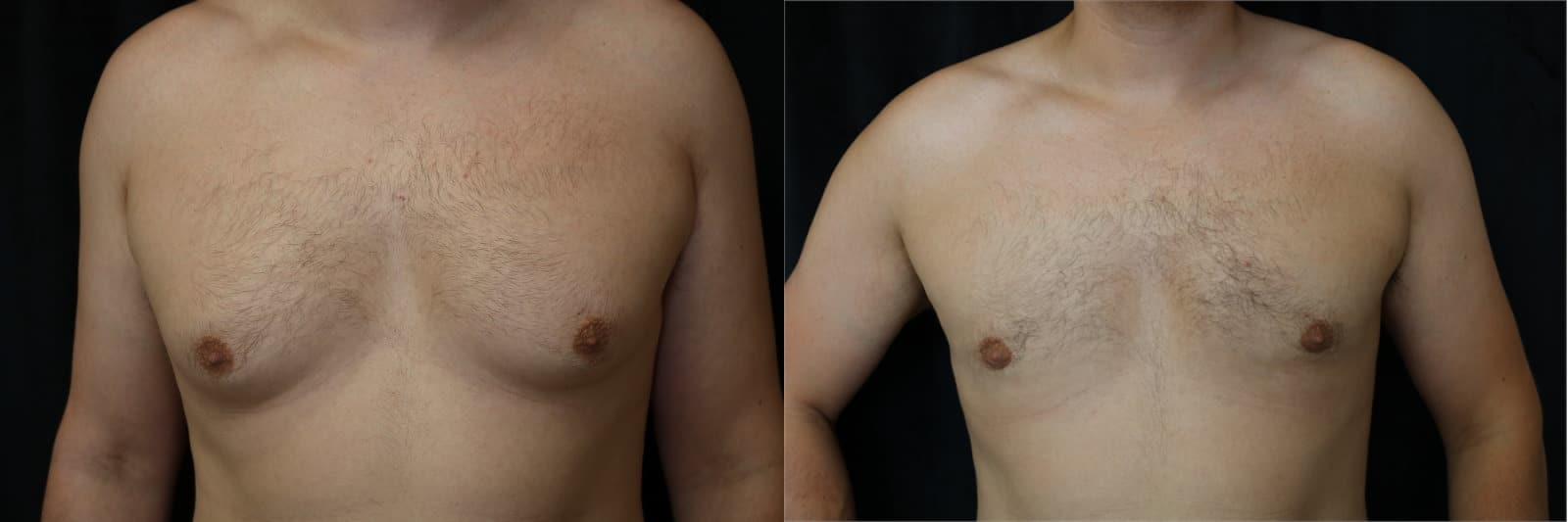
Male breast reduction usually combines direct excision of glandular tissue with liposuction for surrounding fatty tissue. Before-and-after gynecomastia surgery results show how this approach can create a flatter, masculine chest contour with minimal visible scarring.

Psychological and Social Impact of Gynecomastia
Gynecomastia frequently presents social and psychological difficulties, such as low self-esteem, depression, or shame. Many men find support through resources like the Gynecomastia.org online community.
Teenagers may avoid swimming or locker rooms. Adults may avoid fitted shirts, intimacy, or the gym. These effects are legitimate reasons to seek care, not vanity.
Why So Many Men Don’t Seek Help
The stigma surrounding male breast enlargement often prevents men from seeking support, leading to worsening self-esteem and social withdrawal. Many men think the issue is only fat or that nothing can be done.
In reality, most cases of gynecomastia are benign, diagnosable, and treatable once the right provider evaluates the tissue. Understanding common gynecomastia myths and facts can help men pursue effective treatment, rather than false cures.
Why Dr. Miguel Delgado Is a Premier Gynecomastia Expert

Dr. Miguel Delgado is a board-certified plastic surgeon with more than 30 years of focused experience as a top gynecomastia surgeon in the San Francisco Bay Area. His practice performs approximately 160 gynecomastia procedures annually and treats adolescent, adult, steroid-induced, mixed, pseudogynecomastia, and revision cases.
Among plastic surgeons, Dr. Delgado is known for detailed male breast reduction planning, direct gland removal, liposuction contouring, scar minimization, and natural, masculine results. He operates in a fully accredited surgical facility and prioritizes patient safety from consultation through recovery.
What to Expect During a Consultation with Dr. Delgado
A consultation begins with a confidential discussion of symptoms, goals, medication history, lifestyle, and health conditions. Dr. Delgado evaluates breast tissue, skin quality, chest shape, and body proportions, bringing the extensive training and background outlined in his professional biography.
He may recommend observation, lab testing, medical referral, or a customized gynecomastia surgery plan. To discuss your case, schedule a free virtual or in-office consultation by filling out our online contact form or calling (415) 898-4161.
Frequently Asked Questions About Gynecomastia
Can Gynecomastia Go Away on Its Own in Adults?
Mild, recent adult gynecomastia may improve if the cause is removed. Long-standing glandular tissue rarely disappears completely without surgery, especially after 12 months.
Does Losing Weight Cure Gynecomastia?
Weight loss reduces fat and can improve mixed cases, but true glandular breast tissue remains. Many fit men still need surgery for puffy nipples or firm tissue behind the areola.
Can Gynecomastia Come Back After Surgery?
Recurrence is uncommon after proper surgical removal, but new hormone imbalances, anabolic steroids, significant weight gain, certain medications, or health conditions can cause new breast tissue growth.
How Can I Tell If My Gynecomastia Is Serious?
Most cases are benign. Red flags include rapid one-sided growth, a hard fixed lump, skin changes, nipple discharge, or a strong family history of breast cancer. Get a professional exam.
Am I a Good Candidate for Gynecomastia Surgery with Dr. Delgado?
Good candidates are healthy, near their ideal weight, realistic about results, and bothered by persistent breast enlargement. Teens may qualify when puberty is nearly complete, and symptoms are stable. A consultation with Dr. Delgado is the best next step.

MIGUEL DELGADO, M.D.


Dr. Delgado, MD is a world-recognized plastic surgeon and specialist in the treatment of male breast enlargement, also called gynecomastia. He has developed new techniques and owns and operates gynecomastia.org, which has become the largest gynecomastia forum in the world. Dr. Delgado holds the two most coveted credentials; the certification by the American Board of Plastic Surgery and membership in the American Society of Plastic Surgery.