

Could Your Diet Cause Gynecomastia?
Gynecomastia, in the broadest possible definition, is a health condition characterized by enlarged male breast tissue in one or both breasts, often influenced by hormonal imbalances and potentially affected by diet. If you suffer from gynecomastia, commonly known as “man boobs,” you understand how frustrating the condition can be.
This article is designed for men concerned about gynecomastia and those seeking actionable advice on how diet, hormonal balance, and environmental triggers can impact this condition. Certain foods, especially those high in phytoestrogens, may have a greater impact on individuals with pre-existing hormone imbalances.
This blog will:
- Cover the dietary factors that may contribute to or help manage gynecomastia
- Explain the relationship among estrogen, testosterone, and gynecomastia
- Define key terms such as phytoestrogens and endocrine disruptors
- Provide management options, including lifestyle changes and medical interventions.
Understanding the connection between diet and gynecomastia is important because informed choices can help you manage symptoms, improve your confidence, and support your overall health.
What are your options? Learn more about gynecomastia surgery (male breast reduction surgery) and other methods used to treat gynecomastia by calling Dr. Miguel Delgado at (415) 898-4161.
Introduction to Gynecomastia
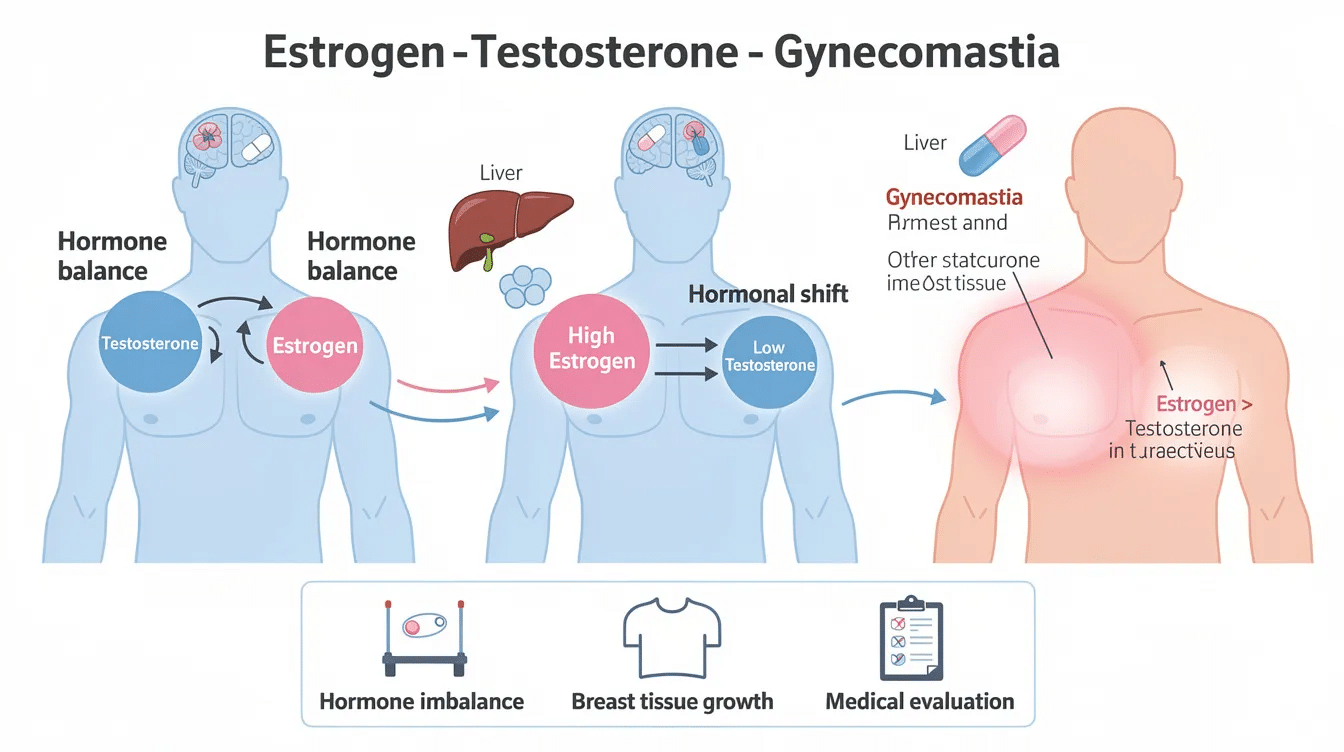
Gynecomastia is a common medical condition that leads to the enlargement of male breast tissue in one or both breasts, affecting men of all ages and backgrounds. This condition is often the result of hormonal imbalances—specifically, an increase in estrogen levels or a decrease in testosterone production. When estrogen levels in the body become elevated, they can stimulate the growth of enlarged breasts in males, while lower testosterone levels may further contribute to this imbalance.
Due to the appearance of your enlarged breasts, you may:
- Be embarrassed to remove your shirt upon entering a public beach or gym locker room
- Refrain from wearing certain types of clothing, despite being wholly clothed, due to the fear of showing your puffy nipples and enlarged chest
- Feel like you cannot escape the feeling that everyone is taking notice of your unmanly chest contour, even if that is not the case
Traditional chest sculpting exercises exacerbate the problem and are ineffective in treating man boobs. This is because gynecomastia is caused by the growth of glandular or fatty tissue, not by a lack of chest muscles.
In cultures with high fitness and aesthetic standards, there may be a greater social pressure on men to meet the ideal body image. Conditions like gynecomastia can have real emotional impacts, leading to long-term mental health issues like:
- Low self-esteem
- Anxiety
- Social withdrawal
- Depression
Psychosocial implications of gynecomastia can be particularly challenging for adolescent mental health, leading to body image disturbances, negative attitudes towards eating, and social withdrawal.
Understanding the risk factors for developing gynecomastia is crucial for effective prevention and management. By making informed dietary choices and maintaining a balanced lifestyle, men can take proactive steps to support hormonal balance and reduce the risk of gynecomastia.
Causes of Gynecomastia
Gynecomastia is a multifaceted condition, often resulting from hormonal imbalances, genetic predisposition, and lifestyle factors. At its core, the development of male breast tissue is closely linked to shifts in hormone levels—specifically when estrogen levels rise and testosterone levels fall. This hormonal imbalance can stimulate the growth of enlarged breasts in men, leading to the characteristic symptoms of gynecomastia. Risperdal side effects and gynecomastia are often interlinked, particularly in individuals using the medication for mental health conditions. Studies have shown that certain antipsychotic medications, including Risperdal, can influence hormonal levels in the body, leading to unwanted physical changes. As such, patients should be aware of these potential risks and consult with their healthcare providers about any concerns regarding breast tissue changes.
Certain Dietary Habits
Certain foods and eating habits can mimic estrogen and disrupt hormonal balance:
- Soy products and dairy products may mimic estrogen in the body, potentially shifting hormonal balance and increasing the risk of developing gynecomastia.
- Processed foods, saturated fats, and fried foods not only promote weight gain but also excess body fat, which can elevate estrogen levels.
- Increased body fat acts as a site for testosterone conversion into estrogen, further tipping the hormonal scales and encouraging the development of enlarged breast tissue.
Maintaining a healthy diet and lifestyle is vital for supporting hormonal balance and reducing the risk of breast tissue development. To help support healthy hormone levels and weight, maintain a diet rich in:
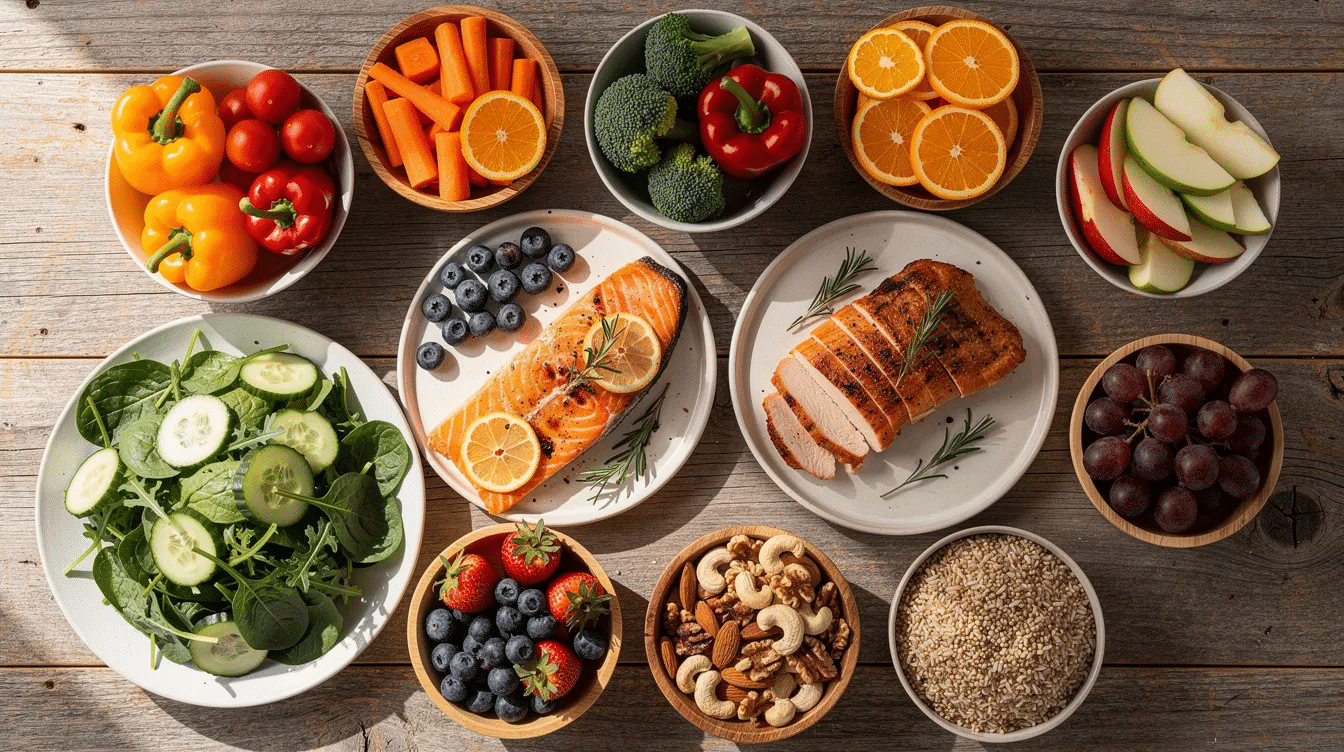
- Lean proteins
- Whole grains
- Fruits
- Vegetables
- Anti-inflammatory foods like leaft greens, nuts, and brown rice
It’s also important to limit your intake of certain foods and substances that may disrupt hormone levels. These include:
- Soy milk
- Processed meats
- Hormone-treated dairy products
Additionally, being mindful of endocrine disruptors, such as artificial hormones and pesticides found in some foods and packaging, is important for protecting hormonal health.
Lifestyle Factors
Lifestyle factors, including regular exercise and weight management, are also crucial. Carrying excess body fat not only increases estrogen in the body but also makes it more difficult to reverse gynecomastia symptoms.
To prevent excess fat accumulation and reduce your risk of gynecomastia, it’s important to:
- Maintain a healthy weight
- Engage in regular exercise
- Support testosterone production
- Being mindful of personal care products and environmental toxins
Adopting a balanced diet and staying active can help maintain a healthy weight, support testosterone production, prevent excess fat accumulation, and reduce the risk of developing gynecomastia.
If you’re concerned about man boobs or gynecomastia symptoms, consulting a healthcare provider is essential. A professional can help identify underlying causes, recommend dietary and lifestyle changes, and discuss advanced options, such as gynecomastia surgery or other male breast reduction procedures, if needed. Many men also benefit from education and peer support through online gynecomastia support communities
Genetic Predispositions and Medical Conditions
For some men, genetic predisposition, obesity, or underlying medical conditions may increase the chance of developing gynecomastia. In these cases, comprehensive approaches may be required, such as:
- Dietary changes
- Lifestyle modifications
- Medical or surgical intervention when needed
Reconstructive surgery or plastic surgery procedures like gynecomastia surgery, or male breast reduction, can effectively remove excess breast tissue, but addressing the root causes, such as hormonal imbalances and lifestyle factors, is key to preventing recurrence.
If you are concerned about your risk factors or are experiencing symptoms of gynecomastia, scheduling a consultation with a healthcare provider is the best way to receive personalized advice and develop a tailored plan to manage gynecomastia. It could also be essential in identifying gynecomastia and distinguishing it from rare conditions like male breast cancer. Gynecomastia, as one of the common breast development disorders, can be identified through a physical exam and may involve blood tests or imaging to rule out breast cancer.
By making informed dietary choices, maintaining a healthy lifestyle, and seeking professional guidance, you can take proactive steps to support hormonal balance and reduce your risk of developing gynecomastia.
A Guide to the Anti-Estrogen Diet for Men: What to Eat and What Not to Eat
How Diet Influences Hormone Imbalance
Hormones such as estrogen and testosterone are found naturally in male and female bodies. Recent research indicates certain foods can influence hormone levels, and dietary choices can contribute to the development of gynecomastia by affecting hormonal balance. Understanding how testosterone levels influence gynecomastia can help you make more confident decisions about diet and treatment.
Hormones are chemical messengers in the body. They are crucial for maintaining libido, mood, health, and fertility, among many other functions.
Role of Estrogen in Men
While estrogen has sometimes been considered a “female hormone,” it is produced by males and females. Elevated estrogen values have been linked to men’s specific health problems, especially gynecomastia.
Phytoestrogens are naturally occurring plant compounds resembling human estrogen. They can copy or modulate the effects of estrogen, potentially influencing hormone balance and contributing to the risk of gynecomastia when consumed in significant amounts.
The Estrogen-Testosterone-Gynecomastia Connection
Estrogen and testosterone are the main sex hormones in females and males, respectively. In men, a healthy balance between these hormones is essential. When estrogen levels rise or testosterone levels fall, the risk of gynecomastia increases significantly. Elevated estrogen incites the growth of glandular breast tissue in men.
When estrogen levels rise, it can contribute to the risk of gynecomastia, making dietary awareness important for those concerned about this condition.
Males with High Estrogen Levels and Hormonal Imbalances
Symptoms of Hormonal Imbalance
Estrogen is the primary female hormone, while testosterone is the primary male hormone. Although men also produce estrogen, they produce it in smaller amounts.
Estrogen influences male reproductive health, impacting sexual drive and erectile dysfunction. It also affects sperm production and bone health.
Males, however, may experience problems if too much estrogen is consumed. Some symptoms of excessive estrogen can include:
- Enlarged breasts in men (gynecomastia or man boobs), i.e., excess breast tissue
- Erectile dysfunction
- Reproductive issues
- Low sperm counts
- Reduced sexual drive
Moreover, a 2016 study conducted by trusted sources has also linked high estrogen levels with depression in males due to a hormonal imbalance between estrogen and testosterone. Therefore, hormonal balance is critical for total body mental and physical health.
Maintaining Hormonal Balance
To maintain optimal health, estrogen and testosterone must be in balance. If either hormone is present in excess or insufficient amounts, health problems can arise. Certain dietary and environmental factors, such as alcohol, soft drinks, and foods containing phytoestrogens, can contribute to gynecomastia by affecting hormone levels and disrupting this balance.
Hypogonadism, or low testosterone levels in men, is a common health concern associated with aging, and testosterone replacement therapy is sometimes required. Low sperm counts, erection issues, and reduced sexual drive may indicate low testosterone.
Certain prescription and recreational drugs have also been linked to erectile dysfunction and gynecomastia due to the suppression of testosterone production. There is a myth that too much estrogen is the cause of low testosterone, but this is not true. Estrogen and testosterone are not antagonistic.
Building on our understanding of hormonal imbalances, let’s explore whether dietary changes can help reduce estrogen levels.
Can Males Reduce Their Estrogen Levels?
Foods and Hormones
Some studies have suggested that specific foods may raise or lower estrogen levels. However, it is unclear whether these foods can address the health effects of excess estrogen.
Certain foods contain plant estrogens, also known as phytoestrogens. These plant estrogens can mimic human estrogen in the body and potentially influence hormone balance. The same is true for dietary testosterone. Therefore, hormonal balance can be affected. The question is whether these tiny changes can affect the body’s overall physical dynamics.
Transitioning from dietary influences on hormones, let’s look at which foods may increase estrogen levels and should be avoided.
Processed Foods and Oils That Increase the Estrogen Level
Foods to Avoid
Estrogen and estrogen-like compounds can stimulate breast tissue development. Various forms of these compounds are found in the environment. If you have concerns about gynecomastia, you may wish to reduce your intake of these compounds.
- Soy-based foods, such as soy milk, are significant sources of isoflavones and phytoestrogens. Isoflavones mimic estrogen, but they are much less potent. There is evidence that soybean isoflavones bind to estrogen receptors and can exert a slight estrogenic effect or even anti-estrogenic activity.
- Processed foods and alcohol can impair hormone processing in the liver, which may further disrupt hormone balance and contribute to gynecomastia. Some men also worry that specific foods or exercise myths are to blame, but understanding common myths and facts about gynecomastia can clarify what truly influences this condition.
- Lavender oil and tea tree oil contain estrogenic and testosterone-suppressing properties. As a result, they interfere with the development of masculine characteristics. These essential oils are also used for personal hygiene, household cleaning, and aromatherapy as a substitute for medical treatment. Many consumer products contain lavender and tea tree oil, including soaps, lotions, shampoos, etc.
- Research on red wine, nuts, fruits, and flax seeds indicates that these foods contain phytochemicals, such as resveratrol, which have effects on the body similar to those of estrogen.
Transitioning away from foods that may increase estrogen levels, let’s summarize the top foods to avoid and include to manage gynecomastia. While diet plays an important role, many men ultimately consider whether gynecomastia surgery is worth it when lifestyle changes are not enough. Male breast reduction surgery may help create a firmer, flatter chest.
Summary Table: Foods to Avoid and Foods to Include for Managing Gynecomastia
| Foods to Avoid | Foods to Include |
| Soy products (soy milk, tofu, edamame) | Eggs |
| Processed foods (packaged snacks, fast food) | Oysters |
| Alcohol (especially beer and red wine) | Asparagus |
| Dairy products (especially from hormone-treated animals) | Figs |
| Shrimp and certain seafoods | Nuts (in moderation) |
| Strawberries and beetroot | Brown rice |
| Frozen meats and canned foods | Salmon |
| Deep-fried foods | Avocados |
| Foods containing lavender or tea tree oil | Leafy greens |
| Flax seeds and large amounts of nuts | Lean proteins (chicken, turkey, fish) |
| Transitioning from actionable dietary advice, let’s look at the top foods most associated with gynecomastia risk. |
The Top Foods That Cause Male Breast Tissue Development and Gynecomastia
The top foods that cause enlarged breasts in men are:
- Soy products
- Beetroot
- Dairy products
- Shrimp
- Strawberries
- Frozen meat
- Beer
- Canned foods
- Deep-fried food
These foods increase estrogen production and can suppress testosterone production. Some people question whether vegan diets, due to their dependence on plant estrogens, could influence hormone levels and gynecomastia risk. These concerns fit into the broader question of whether your diet could cause gynecomastia, and how specific foods affect hormone balance.
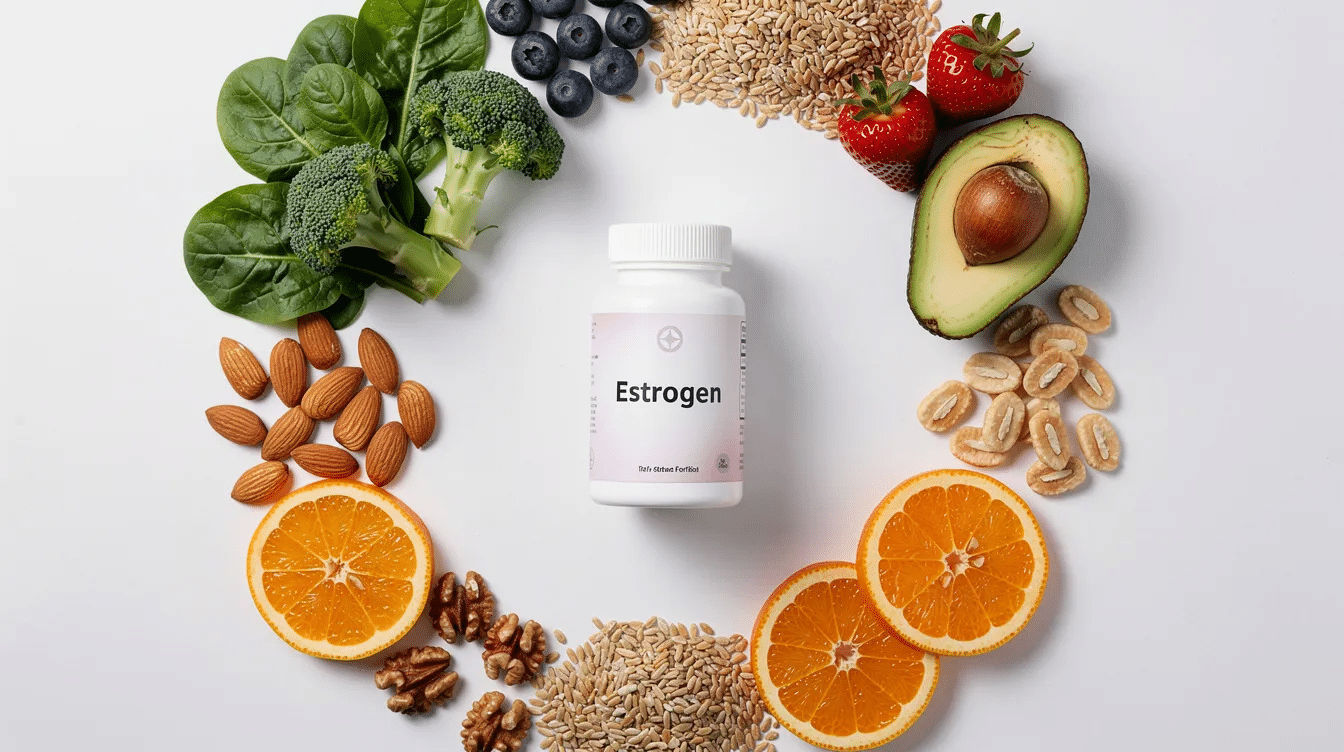
To reduce gynecomastia, you should eat foods that help increase testosterone levels, such as:
- Eggs
- Oysters
- Asparagus
- Figs
- Nuts
- Brown rice
- Salmon
- Avocados
Weight loss can also help reduce gynecomastia symptoms in some cases. Lifestyle management, which includes routine exercise and balanced nutrition, is important for managing gynecomastia. Avoiding certain foods, being aware of environmental influences, and maintaining healthier lifestyle habits can help reduce gynecomastia and support hormonal balance.
Endocrine Disruptors: Hidden Triggers in Your Environment
When it comes to managing gynecomastia, many people focus solely on diet and exercise, but there’s another important factor to consider: endocrine disruptors. Dietary approaches for gynecomastia management can play a significant role in overall treatment strategies. Incorporating nutrient-dense foods while avoiding processed items may help mitigate symptoms. Additionally, understanding the impact of certain dietary choices can empower individuals in their health journey.
Endocrine disruptors are chemicals or substances that can interfere with the body’s endocrine system. They may mimic, block, or alter hormone production and function, potentially leading to hormonal imbalances that contribute to gynecomastia and the development of enlarged breasts in men.
Where Are Endocrine Disruptors Found?
Endocrine disruptors are found in many places, including:
- Certain foods (especially processed foods and soy milk)
- Dietary supplements
- Everyday products (personal care items, plastics, pesticides)
How Endocrine Disruptors Affect Hormone Balance
Foods high in unhealthy and saturated fats—such as fried foods, packaged foods, and processed meats—can also promote weight gain and excess body fat. Increased body fat is not just cosmetic; it can also increase testosterone conversion into estrogen, further disrupting hormonal balance.
Dairy products and meats from animals treated with artificial hormones may also introduce hormone disruptors into your system, potentially affecting both testosterone production and estrogen levels.
Gynecomastia Treatment Options

When it comes to managing gynecomastia, treatment options depend on the underlying cause and severity of the condition. Understanding gynecomastia types of conditions is crucial for effective treatment. Different forms of gynecomastia may arise from hormonal imbalances, certain medications, or underlying health issues. By accurately identifying the type, healthcare providers can tailor their approach to each individual’s needs.
For many men with mild gynecomastia symptoms, making dietary adjustments and keeping a healthy lifestyle can be effective first steps. Avoiding foods that cause man boobs—such as soy milk and processed foods—while focusing on a balanced diet and regular exercise can help reduce excess body fat and minimize breast tissue growth. Weight loss can help significantly reduce gynecomastia symptoms, especially when excess body fat is a contributing factor.
For those with more pronounced or persistent gynecomastia, male breast reduction surgery may be recommended to treat gynecomastia by removing excess breast tissue and restoring a flatter, more masculine chest contour.
Addressing these risk factors—through dietary changes, weight management, and medical guidance—not only helps reduce gynecomastia but also supports hormonal balance and long-term well-being. By committing to a healthy lifestyle and seeking professional advice when needed, men can take control of their health and reduce the risk of developing or recurring gynecomastia.
Consulting a healthcare provider is essential to determine if gynecomastia surgery is right for you, as each case is unique and may involve other risk factors such as:
- Hormonal imbalances
- Underlying health conditions
- Post-surgical considerations such as nipple-areola color changes after gynecomastia surgery.
Consult with Dr. Delgado, a gynecomastia expert and experienced plastic surgeon, today to learn more about your treatment options or if male breast reduction is right for you!
Learn More About Diet and Gynecomastia in San Francisco, CA

If you find that your enlarged breasts are not going away, plastic surgery options, such as male breast reduction, will be your best option. Dr. Delgado is a board-certified plastic surgeon based in San Francisco who has treated thousands of men with gynecomastia. If you would like to schedule a virtual consultation to discuss your options, call (415) 898-4161.
FAQ’s
Do phytoestrogens or estrogen-like products affect males?
A limited number of studies have been devoted to the effects of phytoestrogens on human reproductive health. These investigations indicate that adult exposure to phytoestrogens has no impact on pituitary hormone concentrations and semen parameters but possibly lowers males’ testosterone concentrations.
Should I avoid all foods with phytoestrogens if I have gynecomastia?
Not necessarily. While excessive intake of phytoestrogen-rich foods may influence hormone balance, moderate consumption as part of a balanced diet is unlikely to cause significant issues for most men. If you are concerned, consult a healthcare provider for personalized advice.
Can lifestyle changes alone resolve gynecomastia?
Dramatic changes in weight and diet can reduce the appearance of gynecomastia, especially if the condition is related to excess fatty tissue. However, true glandular gynecomastia may require medical or surgical intervention.
When should I see a doctor about gynecomastia?
If you notice persistent breast enlargement, pain, tenderness, or changes in your hormone levels, it is important to consult with a specialist for a thorough evaluation of your medical history. A consultation will give you a clearer idea of whether surgical procedures are appropriate for you.
If you are concerned about how diet or hormones may affect gynecomastia, consider scheduling a consultation with a specialist to discuss personalized recommendations and management options. Gynecomastia treatment marketing strategies can play a crucial role in helping you find the right resources. By leveraging targeted advertising and educational content, you can better understand your options. Additionally, connecting with others who have undergone similar treatments can provide valuable insights and support.

MIGUEL DELGADO, M.D.


Dr. Delgado, MD is a world-recognized plastic surgeon and specialist in the treatment of male breast enlargement, also called gynecomastia. He has developed new techniques and owns and operates gynecomastia.org, which has become the largest gynecomastia forum in the world. Dr. Delgado holds the two most coveted credentials; the certification by the American Board of Plastic Surgery and membership in the American Society of Plastic Surgery.