

Anabolic-Induced Gynecomastia: Causes, Treatment, and Expert Care with Dr. Miguel Delgado

Introduction
Anabolic steroid use can lead to unexpected and distressing side effects, including the development of gynecomastia, or enlarged male breast tissue. This article is designed for men who use anabolic steroids, such as bodybuilders and athletes, or anyone concerned about the risk and management of steroid-induced gynecomastia. Understanding the causes, symptoms, and treatment options for anabolic-induced gynecomastia is crucial for making informed decisions about your health, appearance, and confidence. Experiences with steroid use and side effects can vary greatly among individuals. Some may encounter severe mood swings, while others might face physical changes that affect self-esteem. It’s essential to seek guidance from healthcare professionals to mitigate these risks effectively.
Table of Contents
- Key Takeaways
- What Is Anabolic Steroid–Induced Gynecomastia?
- Why Men Take Anabolic Steroids
- How Anabolic Steroids Cause Gynecomastia
- Recognizing Early Signs of Steroid‑Induced Gynecomastia
- Treatment Options for Steroid‑Induced Gynecomastia
- Preventing Gynecomastia When Using or Stopping Steroids
- Recovery and Results After Gynecomastia Surgery
- Why Dr. Miguel Delgado Is a Go‑To Expert for Steroid‑Induced Gynecomastia
- FAQs About Anabolic Steroid–Induced Gynecomastia
Key Takeaways
Anabolic steroids can disrupt the balance between testosterone and estrogen, causing male breast tissue growth known as gynecomastia. When excess testosterone is converted to estrogen, estrogen levels rise and can stimulate breast tissue growth behind the nipple.
- Once firm glandular breast tissue forms, gynecomastia caused by anabolic steroid use is often permanent unless surgically removed.
- Early cases with itching, tenderness, or soft swelling may improve after stopping steroid use and restoring hormonal balance.
- Selective Estrogen Receptor Modulators, or SERMs, may help block estrogen receptors in breast tissue, but they may not reverse fully formed glandular tissue.
- Established steroid-induced gynecomastia is most predictably treated with male breast reduction surgery.
- Dr. Miguel Delgado, M.D., is a leading specialist in gynecomastia San Francisco and Marin County for bodybuilders, athletes, and men with anabolic-induced gynecomastia.
What Is Anabolic Steroid–Induced Gynecomastia?
Gynecomastia is a benign enlargement of male breast tissue caused by hormonal imbalances. True gynecomastia feels like dense glandular tissue behind the nipple-areola complex, while pseudogynecomastia is softer fatty fullness from weight gain or excess fatty tissue.
Anabolic-induced gynecomastia refers to breast enlargement triggered by anabolic steroids, prohormones, or performance-enhancing drugs. In steroid-related gynecomastia, the enlarged breast tissue is usually true glandular tissue, not just excess fat.
The most noticeable sign of gynecomastia is the enlargement of breast tissue, which can occur on one or both sides of the chest. Symptoms of gynecomastia may include swelling, tenderness, and a lump beneath the nipple, sometimes with sensitivity or pain. Many patients feel embarrassed by enlarged breasts, even when they are otherwise lean and muscular.

Why Men Take Anabolic Steroids
Anabolic androgenic steroids are synthetic testosterone derivatives used in certain medical circumstances, but they are often abused for muscle growth, muscle mass, strength, and athletic performance.
Common reasons for using it include:
- Faster size gains after training plateau
- Competitive bodybuilding or physique goals
- Social media and gym-culture pressure
- Fear of losing muscle after a cycle
- “Self-supplementing” beyond prescribed testosterone therapy
This is where anabolic steroid use becomes risky. Higher dosage and longer duration of steroid use make men more likely to develop gynecomastia, especially when steroids are abused or taken in high doses over long periods.
How Anabolic Steroids Cause Gynecomastia
Gynecomastia from steroids is a direct consequence of hormone imbalances in the breast tissue. Anabolic steroids can disrupt the normal balance between testosterone and estrogen. Excess testosterone is converted into estrogen, stimulating breast tissue growth and leading to gynecomastia in men.
This conversion is called aromatization. As aromatization increases estrogen levels in the body, the presence of external steroids signals the brain to shut down natural testosterone production, leading to depleted androgen levels and excess circulating estrogen.
During a cycle, high androgen levels may hide early breast tissue growth. After the cycle, testosterone levels may crash, while estrogen levels remain high enough to continue stimulating male breast glandular tissue.
Certain anabolic steroids can also stimulate mammary tissue growth by binding to progesterone receptors and increasing prolactin levels, leading to severe gynecomastia.
Hormonal Imbalances Behind Steroid‑Related Gynecomastia
Hormonal imbalances mean the relationship between testosterone, DHT, estradiol, estrone, prolactin, and SHBG is disrupted. Even if estrogen levels are not extreme, a low testosterone-to-estrogen ratio can cause male breast tissue growth.
According to studies done by endocrinology experts in Endotext, recent gynecomastia may respond better to medical treatment than long-standing fibrotic tissue. Blood work, including testosterone, estradiol, LH, FSH, and prolactin, can document hormone levels, although a physical examination often reveals stable, obvious glandular breast tissue.
Other Risk Factors That Worsen Induced Gynecomastia
Risk increases with:
- High body fat, which raises aromatase activity
- Long cycles or “blast and cruise” regimens
- Incomplete post-cycle therapy
- High-dose testosterone, Dianabol, Anadrol, and aromatizable prohormones
- Certain medications, such as spironolactone or finasteride
- Alcohol, marijuana, liver disease, or endocrine disorders
These factors can make steroid use gynecomastia more likely and more difficult to reverse, especially for bodybuilders who rely on anabolic cycles for muscle gains and may need specialized guidance on steroid-related gynecomastia in bodybuilders.
Recognizing Early Signs of Steroid‑Induced Gynecomastia
Early intervention matters. Itchy or tender sensations behind the nipple are early warning signs of gynecomastia, which can develop into a small, rubbery lump if not corrected quickly.
Men may notice breast tissue growth during peak dosing or a few weeks after stopping steroid cycles. Early glandular tissue feels focal and firm, unlike soft fat. Other symptoms can include burning, nipple sensitivity, asymmetry, or subtle fullness, similar to patterns seen in adult gynecomastia from non-steroid causes.
If breast tissue may have been present for months and feels firm, spontaneous improvement becomes less likely.
When to Seek Professional Evaluation
Any persistent lump, pain, rapid breast tissue growth, or asymmetry in the male breast should be evaluated promptly. A personalized consultation with Dr. Delgado includes a confidential examination of your private medical history, honest discussion of anabolic steroids, physical evaluation, skin-quality assessment, and chest-contour review.
If you’re a man struggling with gynecomastia in San Francisco, the larger Bay Area, throughout California, and beyond, you can schedule a confidential, nonjudgmental assessment with Dr. Delgado, a top gynecomastia surgeon in the San Francisco Bay Area.
Treatment Options for Steroid‑Induced Gynecomastia
Treatment options vary depending on whether your condition is in its early stages or has become permanent. Early gynecomastia may partially improve, while mature glandular tissue usually needs surgery.
Gynecomastia caused by anabolic steroid use is often permanent unless surgically removed, as the gland tissue behaves like scar tissue once matured. Steroid discontinuation may stabilize hormonal imbalance if caught early, but once breast tissue has matured, it typically becomes a permanent physical change.
Avoid random online “anti-gyno” supplements. A physician-guided plan is safer and more predictable, and understanding common gynecomastia myths and facts can help men avoid ineffective or risky self-treatment.
Stopping Steroids and Medical Therapy
The first step in treating early steroid-induced gynecomastia is stopping steroid use and allowing hormone levels to stabilize under medical supervision. Medical therapy, including medications that block estrogen, may be beneficial in the early stages of gynecomastia. However, once glandular tissue has matured, surgery is typically required for lasting results.
SERMs such as tamoxifen or raloxifene, as well as aromatase inhibitors, may be considered by an endocrinologist or knowledgeable physician. However, medical therapy is time-sensitive and usually works best in the first six months to a year.
Male Breast Reduction Surgery (Gynecomastia Surgery)
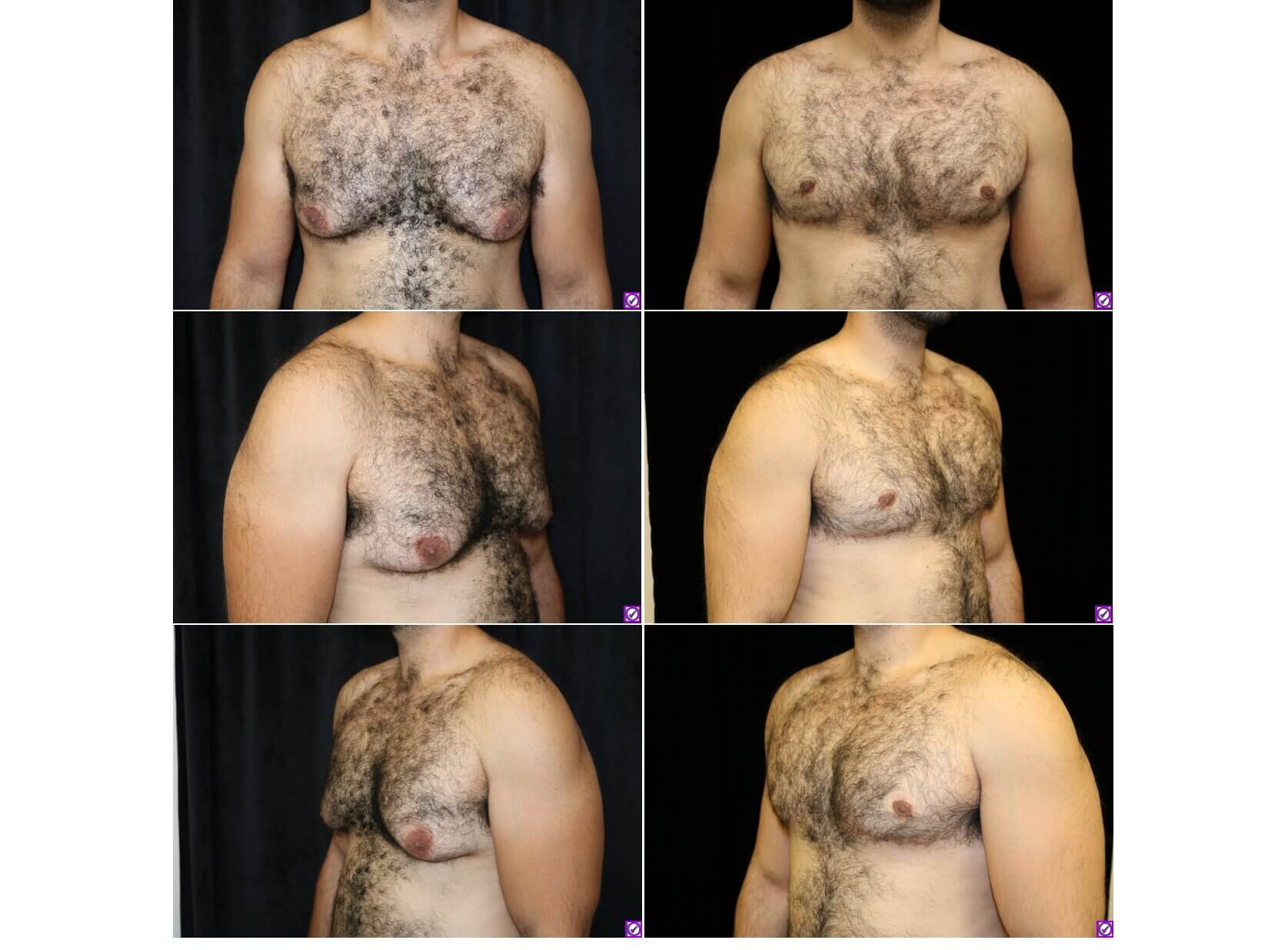
Gynecomastia surgery is the gold-standard effective treatment and often the permanent solution for persistent or severe steroid-induced gynecomastia. This is especially vital when glandular tissue has formed and does not respond to other treatments.
The goal is to remove excess breast tissue, address localized excess fatty tissue when present, flatten the male breast, and restore a masculine chest contour. Mild to moderate cases often use minimally invasive surgery: liposuction combined with glandular excision through a small areolar-edge incision. This results in less scarring and quicker recovery times. Patients frequently ask about the cost of gynecomastia surgery and financing options, which Dr. Delgado will discuss with you during your initial consultation.
Surgical treatments may also remove excess tissue and localized fat to create a contoured chest. Once the gland is removed, it does not grow back on its own. However, recurrence is possible with future heavy steroid use or a new hormone imbalance.
Preventing Gynecomastia When Using or Stopping Steroids
The only foolproof strategy for preventing gynecomastia is to avoid non-medical anabolic steroids. For men who have already used them, harm reduction means medical supervision, regular labs, conservative dosing, and avoiding long high-dose cycles.
Bodybuilding communities often discuss SERMs, aromatase inhibitors, and cycle design, but none of these are guarantees and carry risks. Proper post-cycle therapy may support natural testosterone production and reduce prolonged hormonal imbalance.
If you notice breast tissue growth, prompt action offers the best chance of avoiding a permanently enlarged breast.
Long‑Term Chest Stability After Surgery
After surgery, maintaining a stable weight, avoiding anabolic steroid abuse, and following lifestyle changes help protect results. Men considering testosterone therapy should tell their prescribing physician about past gynecomastia.
Recovery and Results After Gynecomastia Surgery
Gynecomastia surgery is performed as an outpatient procedure and typically requires a recovery period of one to two weeks. Most patients return to desk work in about a week. Benefits of massage after surgery can significantly aid in enhancing recovery times and reducing discomfort. Many patients find that incorporating massage therapy helps alleviate tension and promote relaxation during the healing process. Additionally, it may improve circulation, which is crucial for delivering nutrients to healing tissues.
Compression garments are usually worn for several weeks. Light walking starts early, but strenuous exercise, heavy lifting, chest training, and contact sports are restricted until cleared. Following post-operative instructions helps reduce swelling and supports healing and the final contour.
For many men, undergoing surgery for gynecomastia not only corrects the physical appearance but also restores a sense of confidence and control over their bodies, as seen in before-and-after case examples of gynecomastia patients. Gynecomastia can cause emotional distress, low self-esteem, and discomfort, leading men to avoid swimming or going to the gym due to embarrassment. Many men with gynecomastia report isolation and embarrassment, while the emotional strain can affect self-confidence, relationships, anxiety, or depression.

Why Dr. Miguel Delgado Is a Go‑To Expert for Steroid‑Induced Gynecomastia

Dr. Miguel Delgado, M.D., is a board-certified plastic surgeon serving San Francisco and Marin County, with a focus on gynecomastia surgery and male chest contouring, and is widely recognized as a world-renowned gynecomastia specialist.
He has treated thousands of men, including bodybuilders, fitness professionals, and patients with long-standing induced gynecomastia. His approach evaluates the pattern of breast tissue growth, skin elasticity, pectoral definition, steroid history, and goals for a masculine chest, reflecting the depth of training and experience outlined in his professional background and biography.
A surgical study of 964 gynecomastia patients conducted by the Annals of Plastic Surgery found that anabolic steroid users often required more gland removal and had higher revision rates, which makes experience especially important. Dr. Delgado’s practice is known for natural-looking results, low visible scarring, and revision expertise.
The Consultation and Surgical Experience with Dr. Delgado
At the office of Dr. Miguel Delgado, patients seeking gynecomastia treatment can expect a highly trained plastic surgery care team and office staff to facilitate a private discussion, chest exam, photographic review, and clear explanation of:
- Incision placement
- Breast tissue removal
- Possible liposuction
- Anesthesia
- Cost
- Recovery timeline
Virtual consultations are available for out-of-town patients. To treat gynecomastia safely, Dr. Delgado also explains recurrence risks if patients return to high-dose anabolic steroids.

FAQs About Anabolic Steroid–Induced Gynecomastia
Can gynecomastia from steroids go away on its own?
Sometimes, very recent gynecomastia may partially improve after stopping anabolic steroids and normalizing hormones. Once glandular breast tissue has been present for nine to 12 months and feels firm, surgery is usually needed.
Which anabolic steroids are most likely to cause gynecomastia?
Any steroid that aromatizes can contribute. High-dose testosterone, Dianabol, Anadrol, and certain prohormones are common triggers. Stacking compounds or running long cycles increases risk.
Is it safe to keep using steroids after gynecomastia surgery?
Continuing non-medical anabolic steroids after surgery increases recurrence risk. The removed gland does not regenerate, but the remaining cells and surrounding fat can still respond to estrogen.
Will building more chest muscle hide steroid‑induced gynecomastia?
Not reliably. More pectoral muscle can make central nipple puffiness more visible. Exercise helps fat loss, but it cannot remove true glandular tissue.
How do I know if I am a good candidate for gynecomastia surgery with Dr. Delgado?
Good candidates for gynecomastia surgery are healthy patients with persistent breast tissue who have realistic expectations, can maintain a stable weight, and are willing to avoid future steroid abuse.
Learn More About Your Gynecomastia Treatment Options in San Francisco
Whether your gynecomastia is caused by anabolic steroids or genetics, enlarged breasts can be an incredibly frustrating and unappealing condition to deal with. For patients in San Francisco, Marin County, and beyond, Dr. Miguel Delgado offers advanced gynecomastia treatment techniques and an experienced eye to help you reclaim your confidence.
A visit to our office is the best way to learn more about your gynecomastia treatment options. Schedule your personal consultation with Dr. Delgado today by calling 415-898-4161 or reaching our office via email.

MIGUEL DELGADO, M.D.


Dr. Delgado, MD is a world-recognized plastic surgeon and specialist in the treatment of male breast enlargement, also called gynecomastia. He has developed new techniques and owns and operates gynecomastia.org, which has become the largest gynecomastia forum in the world. Dr. Delgado holds the two most coveted credentials; the certification by the American Board of Plastic Surgery and membership in the American Society of Plastic Surgery.