

Does Male Nipple Reduction Surgery Treat Swollen Areolas?

Many men search for a quick fix for puffy or swollen areolas, often assuming nipple reduction surgery is the answer. The reality is more nuanced—and getting it right means understanding which anatomical layer is actually causing the problem.
This guide explains the difference between nipple and areola swelling, and outlines which surgical procedures address each issue. It helps men understand their options for achieving a flatter, more masculine chest contour. If you are a man struggling with puffy or swollen areolas, this article will clarify which treatments are most effective and what to expect from surgery.
Key Takeaways
The short answer: nipple reduction surgery reshapes the central nipple, while swollen or puffy areolas usually require areola reduction and/or gynecomastia surgery. Nipple reduction is for a protruding or elongated nipple projection—not dome-shaped areolar puffiness.
- In many men with puffy areolas, the true problem is excess breast tissue (gynecomastia) pushing the areola outward, not an oversized nipple.
- Nipple and areola reduction surgeries are outpatient procedures, but they target different structures.
- Dr. Miguel Delgado, a board-certified plastic surgeon in the San Francisco Bay Area and Northern California, often combines male nipple reduction withgynecomastia surgery when both issues are present. However, he does not do them at the same time because of blood flow concerns.
- The right procedure depends on whether the nipple, areola skin, or underlying glandular tissue is enlarged.
- A free virtual or in-office consultation with Dr. Delgado can confirm the best treatment for your specific case.
What a “Swollen” or Puffy Areola Really Is (Especially in Men)
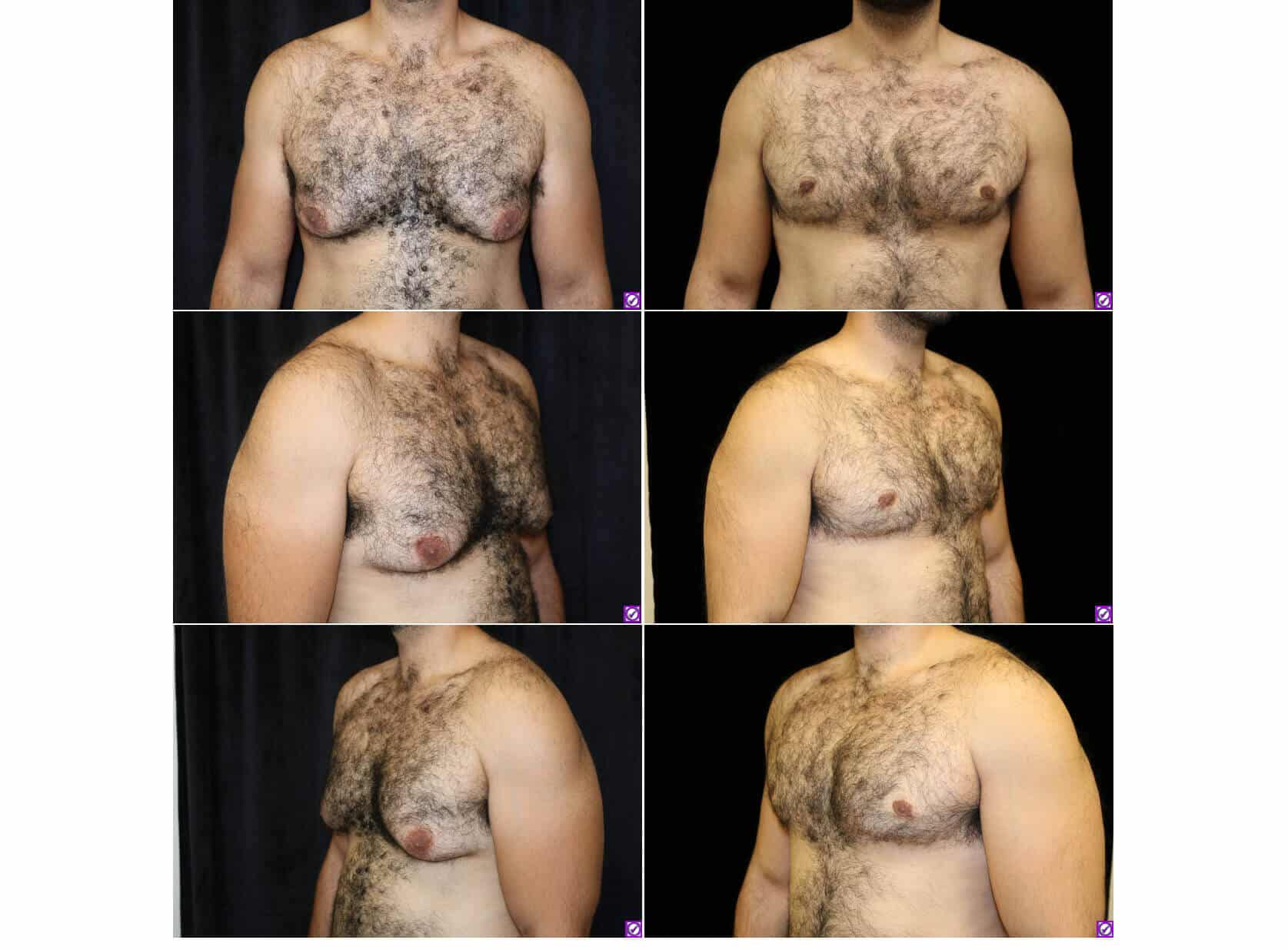
When people say “swollen areola” or “puffy nipples,” they usually mean the entire pigmented circle bulges outward like a dome, not just the central nipple. This appearance is common in men and can show through a thin shirt, creating a visible deformity that bothers the person even if they are otherwise fit and lean.
Anatomically, the nipple is the small raised cone at the center; the areola is the flat pigmented skin surrounding it, and the breast tissue lies beneath both. Excess skin or underlying structural tissue typically causes areola swelling or puffiness.
Common causes include:
- Puberty-related gynecomastia that never fully regressed
- Hormonal imbalances, medications, or anabolic steroids
- Weight gain and chest fat volume
- Loose skin after major weight loss
Women may also notice areola changes after pregnancy, breastfeeding, or aging. Weight loss can significantly reduce nipple size, but it rarely eliminates the firm gland behind the areola. Photos and an in-person exam during a consultation are essential to find the root cause.

Does Nipple Reduction Surgery Fix a Swollen Areola?
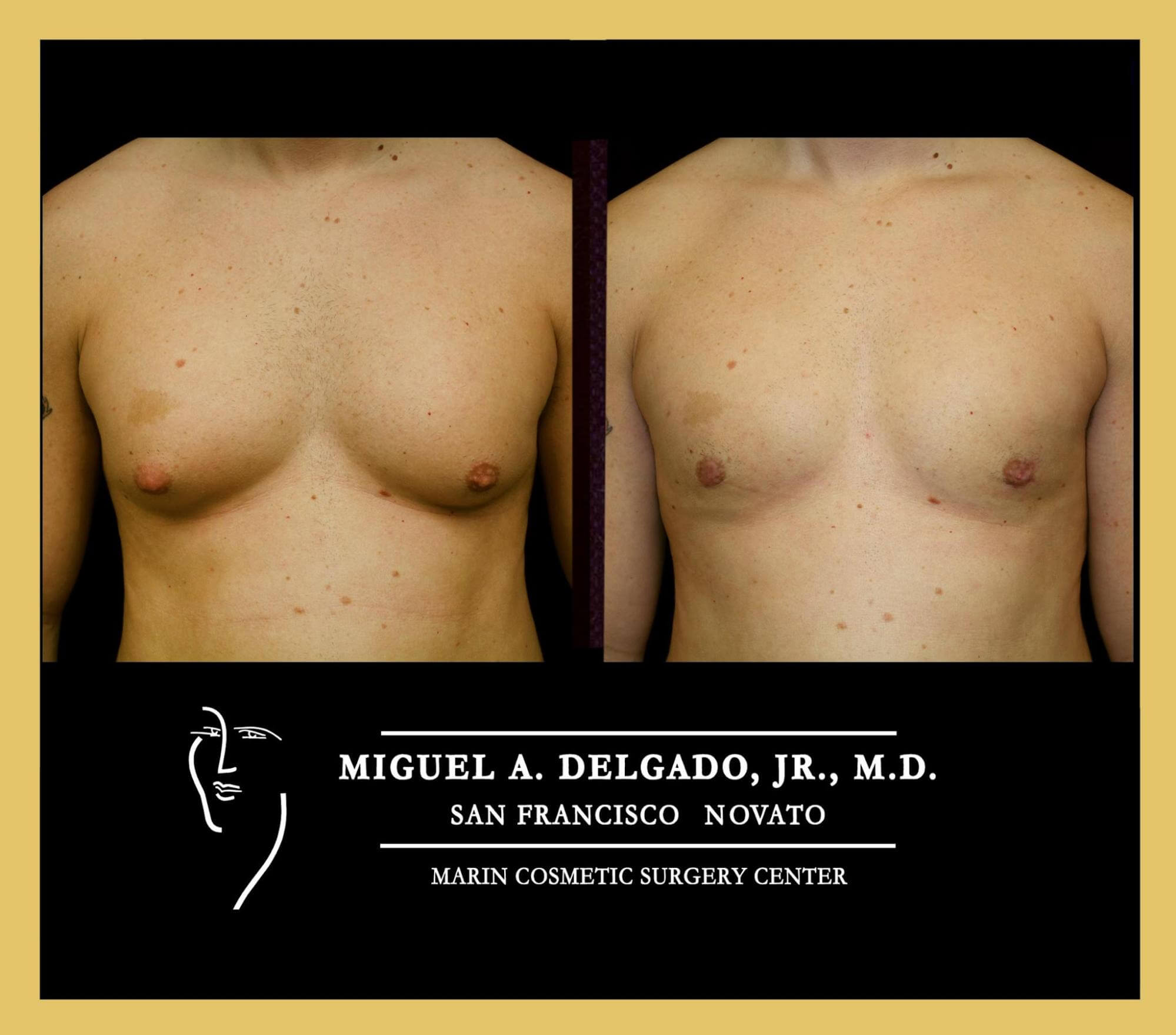
Nipple reduction surgery alone does not treat a swollen or puffy areola in most cases. The procedure can significantly reduce nipple size in men and women, making a tall or cone-shaped nipple smaller and less projected, but it doesn’t address the areolar dome or the breast tissue beneath it. The nipple reduction procedure has few alternatives because it’s simple, but it solves a different problem than areolar puffiness.
Here is how to look at it:
- Example A (male): Flat nipple, but the whole areola bulges under a shirt → likely needs gynecomastia surgery, not nipple reduction.
- Example B (male): Normal flat areola, but a tall nipple pokes through clothing → ideal for male nipple reduction.
Some patients benefit from combined surgery—gynecomastia removal to flatten the chest, areola reduction to shrink the pigmented circle, and nipple reduction to fine-tune projection. A board-certified surgeon like Dr. Delgado will map which layer is the real problem before recommending any reduction surgery.
Nipple Reduction vs Areola Reduction Surgery vs Gynecomastia Surgery
Three procedures are often confused. Here is how they compare:
| Feature | Nipple Reduction | Areola Reduction | Gynecomastia Surgery |
| Target | Projecting nipple | Oversized pigmented areola skin | Excess gland and fat behind the areola |
| Technique | Chevron or wedge excision | Removes a ring of pigmented skin from the areola | Liposuction + gland excision |
| Anesthesia | Local anesthesia | Often local | Sedation or general |
| Duration | ~30 minutes | Less than an hour | 1–2+ hours |
| Scarring | Tiny, on nipple | At the color border | At areola border or larger |
| Best for | Protruding nipple shape | Large, flat or stretched areolas | Puffy areolas with firm tissue beneath |
Surgical techniques for male areola reduction include excising excess skin and tissue. Reduction surgeries can improve symmetry in the nipple-areolar complex, and surgeons often combine procedures when a patient has overlapping concerns. Sometimes a quick in-office nipple reduction is enough; other times, full male breast reduction with areola work is advised.
How to Know Which Breast Procedure You Need
Self-diagnosis from photos alone is unreliable. Use this self-check as a starting point, then consult a surgeon for a real answer:
- Profile view: Does just the nipple stick out, or does the whole areola bulge? A dome-shaped areola may point to gynecomastia or areola issues.
- Pinch test: Pinch around the areola. A firm disc underneath suggests glandular tissue that may not flatten without surgery.
- Overall shape: Is the entire chest or breast enlarged, or is the issue confined to the nipple and areola?
No reliable non-surgical method permanently shrinks areola size. Topical products do not change skin pigmentation. Herbal supplements may help reduce breast and nipple size marginally, and Botox can reshape inverted nipples but is costly and painful. For persistent puffy areolas in otherwise fit men, surgery remains the most effective option.
Many male patients from San Francisco and Marin initially see Dr. Delgado for “puffy nipples” but learn their main issue is gynecomastia. Men whose only concern is nipple projection often do very well with a short, in-office procedure performed under local anesthesia.
What to Expect from Nipple & Areola Surgery with Dr. Miguel Delgado

Dr. Miguel Delgado is a board-certified plastic surgeon and gynecomastia specialist with over 30 years of experience in male breast reduction, nipple reduction, and chest contouring for both men and women.
Consultation process:
- Detailed medical history and medication review
- Physical exam assessing nipple, areola, and underlying tissue
- Discussion of goals—less visibility in clothing, a more masculine or youthful look
- Preview of likely scars, expected results, and whether nipple reduction, areola reduction, gynecomastia surgery, breast lift, breast reduction, or a combination is most appropriate
Operative details for male nipple reduction:
- Performed under local anesthesia in an accredited surgical suite
- Approximately 30 minutes for isolated nipple reduction
- Chevron-shaped or wedge-style incision with dissolvable sutures and a small dressing
- The procedure is not very painful; discomfort is often controlled with over-the-counter medication
Recovery:
- Recovery from nipple reduction surgery usually takes a few days to a week
- Recovery from male areola reduction surgery usually allows return to work in days
- Patients should avoid heavy lifting and strenuous activities for several weeks post-surgery
- A bit of swelling during recovery can initially make the areolas appear larger before settling
- Scarring from areola reduction typically fades significantly over 12 months
Potential complications of nipple and areola reduction include changes in sensation and scarring, but results are generally long-lasting. Future weight gain, hormone changes, or pregnancy can alter appearance, and revision surgery is possible if additional refinement is desired.
Ready to find the right procedure? Schedule a free virtual or in-office consultation at Dr. Delgado’s San Francisco or Marin County offices. Every surgical plan is personalized, performed in a full surgical facility, and designed for natural-looking results.
Frequently Asked Questions
Can I fix puffy areolas without surgery?
True, long-term reduction of areola puffiness almost always requires surgery. Exercise and weight loss may reduce overall chest volume but rarely eliminate the firm glandular tissue behind the areola in cases of gynecomastia. Non-surgical measures can help in select situations, but persistent puffiness in fit men typically needs surgical correction.
Will nipple or areola reduction affect nipple sensation?
Temporary numbness or hypersensitivity around the nipple-areola complex is common after surgery. Temporary changes in nipple sensation are common after surgery as well, but most patients recover acceptable feeling over weeks to months.
Does nipple or areola reduction interfere with breastfeeding in women?
Standard areola reduction and most nipple reduction techniques aim to preserve milk ducts, which helps maintain breastfeeding potential. There is still some risk of reduced ability, especially after multiple breast surgeries. Women planning future pregnancies should raise this with Dr. Delgado before proceeding.
How much does male nipple reduction or gynecomastia surgery cost?
Gynecomastia costs vary based on the exact procedure—isolated male nipple reduction versus comprehensive gynecomastia surgery with liposuction and gland excision—and whether surgery is done in-office or in the operating room. Dr. Delgado’s team can provide a personalized estimate after an evaluation, and financing options may be available.
How soon will I see the final result after surgery for puffy areolas?
Most patients see an immediate improvement once dressings are removed, but swelling and minor bruising can mask the final contour for several weeks. Expect a good sense of your new chest shape by six to eight weeks, with scars continuing to mature and fade over six to twelve months.

MIGUEL DELGADO, M.D.


Dr. Delgado, MD is a world-recognized plastic surgeon and specialist in the treatment of male breast enlargement, also called gynecomastia. He has developed new techniques and owns and operates gynecomastia.org, which has become the largest gynecomastia forum in the world. Dr. Delgado holds the two most coveted credentials; the certification by the American Board of Plastic Surgery and membership in the American Society of Plastic Surgery.