

“Puffy Nipples” Represent True Gynecomastia

Introduction
This page provides a comprehensive overview of puffy nipples in gynecomastia, including their causes, symptoms, available treatments, and the emotional impact they can have. It is designed for men experiencing puffy nipples or gynecomastia who seek information, support, and solutions. Addressing gynecomastia and puffy nipples is important, because this condition can significantly affect self-esteem and quality of life.
Gynecomastia involves the enlargement of glandular breast tissue in males. Puffy nipples are a common form of gynecomastia and can appear as puffy areolas, typically involving swelling around the nipple area. Gynecomastia involves enlargement of male breast tissue. Understanding these definitions provides a foundation for exploring the causes, symptoms, and treatments discussed on this page.
Causes of Puffy Nipples in Gynecomastia
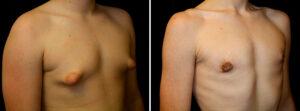
One of the most common forms of gynecomastia is the “puffy nipple”, according to Wikipedia. I find this true with my San Francisco, Bay Area patients seeking male breast reduction. Dense breast tissue causes the dome effect under the nipple areola area. Excess breast tissue beneath the nipple-areola complex can push the nipple and areola outward, and puffy nipples can occur in isolation without broader breast enlargement because of underlying glandular tissue beneath the nipple area. This is the area where the breast bud develops and can grow to various sizes in the teenage years.
Common causes of gynecomastia puffy nipples include:
- Hormonal fluctuations during puberty: Temporary puffy nipples can occur as hormone levels change.
- Hormone imbalance: Weight gain and excess body fat can raise estrogen levels and worsen the puffy appearance.
- Genetic predisposition: Some individuals are more likely to develop this condition due to their genetics.
- Anabolic steroid use: Steroids can disrupt hormone levels and contribute to the development of puffy nipples.
- Substance use: Excessive alcohol consumption and marijuana can contribute to gynecomastia through hormone disruption, and drug-induced gynecomastia in adult males is a well-recognized cause.
- Certain medications: Anti-androgens and antidepressants may contribute to gynecomastia.
- Certain medical conditions: Liver disease and kidney disease can affect hormone levels and lead to puffy nipples in men.
Young men, more than older men, seem affected by the “puffy nipple syndrome”.
Understanding the causes of puffy nipples helps inform the most effective treatment options, which are discussed next.
Symptoms of Gynecomastia Puffy Nipples
Many gynecomastia patients have noted that when the nipple is cold or in water, the puffy nipple is improved. This is because the muscle in the nipple-areolar complex contracts upon stimulation, and some men notice inflamed or puffy nipples with temporary nipple swelling that improves briefly before returning once the stimulation ends. The cone shape of the nipple is caused by a lack of fat, making the tissue protrude, so the nipple may stick out. Some men describe this localized change as puffy breasts when it is limited to the nipple-areola area. The surrounding skin may look relatively tight, while tissue beneath the areola pushes the area forward.
Sometimes gynecomastia (moobs) will resolve on its own by the end of puberty, as some cases are tied to puberty and settle as hormone levels normalize. Persistent adult gynecomastia may reflect underlying causes, can sometimes involve nipple pain, and should be medically evaluated by a healthcare professional.
Recognizing these symptoms is the first step toward seeking appropriate treatment, which is outlined in the next section.
Treatment Options for Puffy Nipples
When my patients ask what their options are, I explain that non-surgical treatments may help when excess fatty tissue or excess tissue is a major factor. However, persistent glandular cases often need surgical intervention, and many patients ultimately need surgery when non-surgical treatment does not correct the chest contour.
Non-surgical options:
- Weight loss and exercise (if excess fat is a contributing factor)
- Addressing underlying hormonal imbalances with medical supervision, and in rare cases of gynecomastia, hormone therapy may be used under medical supervision.
Surgical options:
- Gynecomastia surgery uses excision and liposuction as a cosmetic surgery approach when glandular tissue is present, with removal of breast gland tissue as part of the procedure, often performed by a top gynecomastia surgeon in the San Francisco Bay Area.
Puffy Nipple Surgery: Step-by-Step
- An incision is made around the areola.
- The gland is freed from deeper tissue, and the surgeon contours the chest muscles region for an even result.
- Excess glandular tissue and any excess fatty tissue are removed from the chest area to help treat puffy nipples and create a flatter contour.
- The goal is complete tissue removal, so the nipple can shrink and flatten out, since leaving too much tissue may allow residual puffiness to remain. Complete removal may also leave smaller nipple areola complexes and a flatter chest contour.
As a puffy nipples treatment, gynecomastia surgery aims for a flatter, more masculine chest with minimal scarring when performed through a periareolar approach.
Puffy nipple surgery typically takes about one hour, and recovery is often less than two weeks. Compression garments are used to reduce swelling and support healing. In selected cases, nipple reduction surgery may be considered if nipple projection or enlarged areolar prominence persists.
Understanding the available treatments can help men make informed decisions about their health and appearance. Considering gynecomastia surgery cost and financing options, alongside whether gynecomastia surgery is worth it for long-term confidence, can further guide decision-making. Next, we discuss the emotional impact of gynecomastia puffy nipples and the importance of support.
Emotional Impact and Support
The change can have a major effect on physical appearance, and men may feel self-conscious or embarrassed in social or intimate situations. Improved body image after treatment matters, and some may benefit from emotional support or seek medical advice. Treatment of puffy nipples is successful, and the satisfaction rate is extremely high.
If you are struggling with the emotional impact of gynecomastia puffy nipples, know that support is available, and effective treatments can help restore confidence and quality of life.
Contact Us About Puffy Nipples
Dr. Delgado, MD, is a world-recognized board-certified plastic surgeon and specialist in gynecomastia treatment and male breast reduction surgery for male breast enlargement, also called gynecomastia. He has developed new techniques and owns and operates gynecomastia.org, which has become the largest gynecomastia forum in the world. Dr. Delgado holds the two most coveted credentials: certification by the American Board of Plastic Surgery and membership in the American Society of Plastic Surgery. Gynecomastia patients considering cosmetic procedures or reduction surgery should seek a medical evaluation to review underlying causes and appropriate puffy nipple surgical options.
Summary and Next Steps
Gynecomastia puffy nipples are a common and treatable condition that can significantly impact self-esteem and quality of life. This page has covered the definitions, causes, symptoms, and treatment options for puffy nipples, as well as the emotional effects and importance of support. If you are experiencing gynecomastia puffy nipples and want to explore your options, contact Dr. Delgado for a professional evaluation and personalized treatment plan. Take the first step toward improved confidence and well-being today.
FAQ’s
What is Stage 4 gynecomastia?
Stage 4 (or Grade 4) gynecomastia represents the most severe and advanced stage of male breast tissue enlargement under standard clinical grading systems (such as the Simon or Rohrich classifications).
Key Characteristics of Stage 4 Gynecomastia:
- Severe Tissue Enlargement: There is a marked amount of enlarged glandular tissue and fat, giving the chest a female-like breast contour.
- Significant Skin Laxity (Ptosis): Unlike milder stages where the skin remains taut, Stage 4 involves substantial stretching and sagging of the skin envelope.
- Nipple-Areola Displacement: The nipples and areolas are often enlarged and shifted significantly downward, sometimes pointing toward the floor or dropping below the inframammary fold (the crease beneath the chest).
Treatment Implications
Because of the extensive skin stretching and large volume of tissue:
- Non-surgical methods (like diet, exercise, or lifestyle changes) are generally ineffective for Stage 4 because they cannot address the stretched skin or firm glandular tissue.
- Surgical correction usually requires more than standard liposuction or simple gland excision. It typically involves skin resection/tightening and nipple-areola repositioning or grafting to create a flat, masculine chest profile.
Do puffy nipples mean high estrogen?
Not necessarily. While elevated estrogen levels are a primary driver of tissue enlargement, an imbalance often causes puffy nipples in the estrogen-to-androgen (testosterone) ratio rather than high estrogen alone, or due to increased tissue sensitivity to normal hormone levels.
Key Factors Behind Puffy Nipples:
- Hormonal Imbalances (Ratio vs. Absolute Levels): Puffy nipples and gynecomastia occur when the effect of estrogen outweighs the effect of testosterone. This can happen if estrogen levels rise, but also if testosterone levels drop while estrogen remains normal.
- Tissue Sensitivity: Some individuals have glandular tissue beneath the nipple-areola complex, which is sensitive to normal, healthy amounts of estrogen in the body, leading to localized swelling or a “dome” appearance without abnormally high serum estrogen levels.
- Physiological Shifts: Temporary hormonal fluctuations during puberty, aging, or significant body composition changes often trigger puffy nipples even when hormone panels fall within normal clinical ranges.
- Exogenous Substances & Medications: Anabolic steroids, certain prescription medications, supplements, or lifestyle factors can alter hormone metabolism or receptor binding, leading to nipple puffiness.
While elevated estrogen is a common culprit, diagnosing the exact cause requires evaluating hormone levels (including total and free testosterone, SHBG, and estradiol) alongside physical glandular development.
How to get rid of gyno and puffy nipples?
Getting rid of gynecomastia and puffy nipples depends heavily on whether the swelling is caused by glandular tissue, localized body fat, or a combination of both.
1. Non-Surgical & Lifestyle Approaches
These strategies are most effective if the issue is primarily driven by excess chest fat (pseudogynecomastia) or early-stage hormonal changes (such as pubertal gynecomastia).
- Body Fat & Weight Management: Reducing body fat through a structured caloric deficit and cardio can significantly decrease fat accumulation around the chest and reduce nipple projection.
- Targeted Strength Training: Focus on chest-building exercises (incline bench press, chest flys, push-ups) to build the underlying pectoral muscles. While spot-reduction of fat isn’t possible, developing the upper chest creates a firmer base that can make puffy nipples less prominent.
- Addressing Hormonal Factors & Medications:
- If the puffiness is drug-induced (e.g., anabolic steroids, certain prescription medications, or specific supplements), stopping or adjusting these under medical supervision often halts or reverses further growth.
- In cases of recent onset (usually under 12 months), a doctor may evaluate hormone levels (estradiol, testosterone, thyroid) and consider prescription treatments like SERMs (e.g., tamoxifen) off-label to prevent further glandular proliferation.
2. Surgical Solutions
Once true glandular tissue (breast gland) has hardened or matured—typically the case with persistent puffy nipples—diet and exercise alone cannot melt the tissue away. Surgery is the definitive treatment.
- Targeted Excision (Gland Removal): For isolated puffy nipples, a surgeon makes a small incision along the lower border of the areola (periareolar incision) to directly remove the firm disc of glandular tissue beneath the nipple-areola complex. This allows the nipple to flatten against the chest wall.
- Liposuction Combined with Excision: If excess fat surrounds the gland, liposuction is performed alongside excision to contour the entire chest evenly and avoid a hollow or crater-like appearance beneath the areola.
- Recovery: Puffy nipple surgery or minor male breast reduction is typically an outpatient procedure taking 1 to 2 hours. Patients usually wear a compression garment for a few weeks to minimize swelling and support contouring, with most returning to normal non-strenuous activities within 1 to 2 weeks.
Recommended Next Steps
A physical examination by a healthcare provider or board-certified plastic surgeon specializing in male chest reduction is the best way to determine whether your puffiness is gland or fat, ensuring you choose the correct approach.
How to differentiate between puffy nipples and gyno?
While “puffy nipples” are often a localized presentation of gynecomastia, differentiating localized puffy nipples from full-scale gynecomastia (or chest fat) comes down to tissue composition, physical distribution, and tactile feedback.
1. Physical Distribution & Scope
- Puffy Nipples: The enlargement or protruding “cone” shape is strictly confined to the area directly beneath the areola and nipple complex. The rest of the chest wall typically remains flat, firm, or normal in appearance.
- Full Gynecomastia: The glandular enlargement extends beyond the borders of the areola, spreading into the broader breast mound. It can cause diffuse chest swelling, lower breast projection, or sagging (ptosis) across the entire pectoral area.
2. Physical Feeling (Self-Exam / Palpation)
- Glandular Tissue (Gynecomastia / True Puffy Nipples): Firm, rubbery, or dense tissue directly behind the nipple. If you pinch the area gently between your thumb and forefinger, you will feel a distinct disk-like or rubbery mass.
- Pseudogynecomastia (Chest Fat): Soft, pliable, and yielding tissue identical to body fat elsewhere on the abdomen or sides. There is no hard or rubbery node directly under the nipple center.
3. Reaction to Temperature and Stimulation
- Puffy Nipples: Often exhibit a dynamic appearance. When exposed to cold temperatures, water, or physical touch, the smooth muscle around the areola contracts, temporarily pulling the nipple flat and firm. Once the stimulus passes and the area warms up, the puffiness returns.
- Full Chest Enlargement: While temperature may temporarily tighten the areolar skin, the bulk, volume, and contour of the chest mass remain unchanged.
Comparison Overview
Feature | Puffy Nipples | Broad Gynecomastia | Pseudogynecomastia (Chest Fat) |
|---|---|---|---|
Primary Location | Concentrated behind the areola | Spreads across the entire chest/breast mound | Diffuse across the chest & sides |
Tissue Texture | Firm/rubbery disk directly behind the nipple | Firm/rubbery glandular mass extending outward | Soft, uniform fat tissue |
Response to Cold | Temporarily flattens out completely | Areola contracts, but mass remains | No change in volume |
Response to Fat Loss | Minimal change in the nipple disk | Overall size may reduce, but gland remains | Can decrease significantly or resolve |
How to Get a Definitive Diagnosis
A clinical evaluation by a healthcare provider or board-certified plastic surgeon is the most reliable way to differentiate tissue types. Doctors typically use a manual physical exam (and occasionally an ultrasound) to confirm whether the tissue is glandular breast tissue, subcutaneous fat, or a combination of both.
Schedule Your Professional Consultation with Dr. Miguel Delgado
If you are struggling with puffy nipples, residual gland tissue, or steroid-induced gynecomastia, specialized medical evaluation is key to achieving a flat, contoured chest. Board-certified plastic surgeon Dr. Miguel Delgado, MD, brings decades of expertise in male chest sculpting and male breast reduction. Contact our office today at 415-898-4161 to discuss your goals, explore custom surgical options, and take the final step in restoring your physique and confidence.

MIGUEL DELGADO, M.D.


Dr. Delgado, MD is a world-recognized plastic surgeon and specialist in the treatment of male breast enlargement, also called gynecomastia. He has developed new techniques and owns and operates gynecomastia.org, which has become the largest gynecomastia forum in the world. Dr. Delgado holds the two most coveted credentials; the certification by the American Board of Plastic Surgery and membership in the American Society of Plastic Surgery.