

Gynecomastia and Liposuction: Is It the Right Treatment?
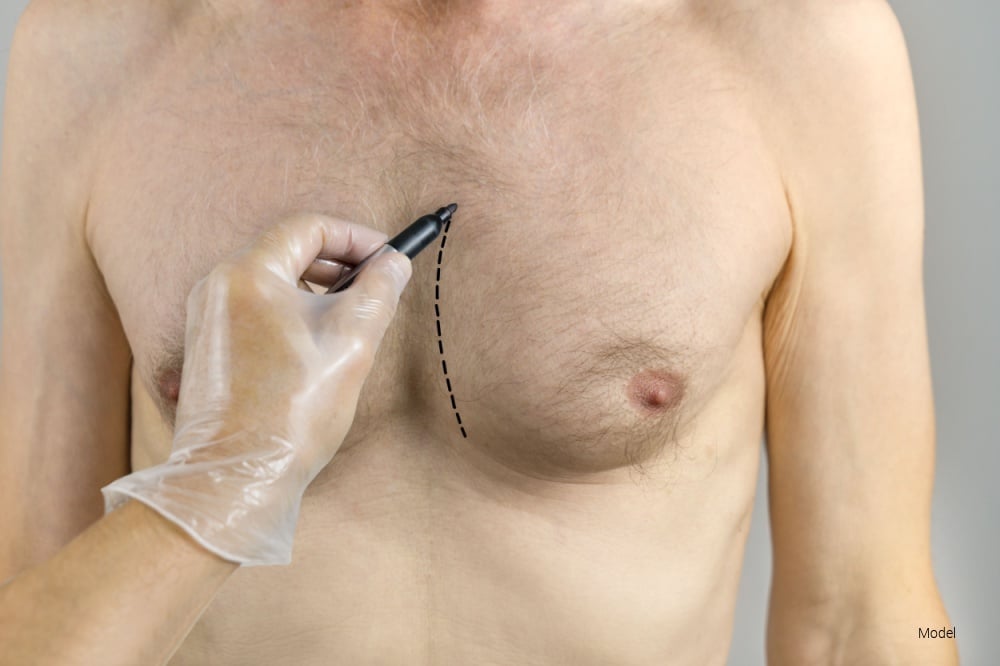
If you are dealing with enlarged breasts as a man, you’ve probably wondered whether liposuction can solve the problem. It’s a fair question—and one that deserves a straight answer before you invest time researching surgical options.
19 Min Read:
The short answer is: it depends on what’s causing your chest enlargement. Let’s break down when liposuction works, when it doesn’t, and what you should expect from gynecomastia surgery.
Gynecomastia treatment is a form of plastic surgery performed by experienced plastic surgeons who use specialized techniques to achieve safe, effective results. Expert evaluation is crucial in determining the most appropriate treatment options for gynecomastia, as highlighted by Miguel Delgado, M.D., a San Francisco Bay Area plastic surgeon, in discussions on gynecomastia evaluation and management.
Answering Your Main Question Upfront: When Is Liposuction Right for Gynecomastia?
Liposuction can be an excellent treatment for chest fullness—but only when fat primarily causes the enlargement, rather than dense glandular tissue. If your chest area is soft and composed mainly of excess fat (a condition called pseudogynecomastia), liposuction alone may be enough to create a flatter, more masculine contour. Pseudo gynecomastia refers to chest enlargement, which is primarily due to fat accumulation, rather than glandular tissue, and is often confused with true gynecomastia.
However, for most men with true gynecomastia, the story is more complicated. True gynecomastia involves firm glandular breast tissue that sits directly behind the nipple and feels rubbery or dense to the touch. This type of tissue does not respond well to liposuction because the cannula used in the procedure cannot effectively break up and remove firm gland tissue. Attempting to treat true gynecomastia with liposuction alone often leaves patients with persistent puffy nipples or a rounded breast mound.
The ideal treatment for most gynecomastia cases combines liposuction (to remove fat and sculpt the surrounding chest) with direct gland excision (to remove the firm tissue under the nipple through a small incision). This combination approach addresses both fat and glandular tissue, producing a truly flat male chest, rather than a partially treated one.
Liposuction is also not effective for severe cases of sagging skin—those require excision-based techniques that may include skin removal.
Dr. Miguel Delgado has performed over 5,000 gynecomastia surgeries and understands that no two chests are alike. Gynecomastia surgery is a specialized plastic surgery procedure that requires the expertise of a qualified plastic surgeon for optimal results. Approximately 40% of his patients come to him for revision gynecomastia surgery after being unhappy with results from surgery elsewhere—often because their original surgeon relied on liposuction alone when combination treatment was needed. Dr. Delgado tailors each procedure to match the patient’s anatomy, combining liposuction, gland removal, and skin tightening as appropriate.
The sections that follow will explain the difference between gynecomastia and pseudogynecomastia, the benefits and limitations of liposuction, alternative treatment options, and how to determine the best plan for your situation.

Understanding Gynecomastia and Pseudogynecomastia
“Man boobs” is a term that gets thrown around casually, but the condition can stem from different types of tissue—and your treatment depends entirely on which type is present in your chest.
True Gynecomastia
True gynecomastia refers to the enlargement of male breast glandular tissue. This tissue feels firm or rubbery, and typically concentrates directly beneath the nipple–areola complex. Unlike fat, it doesn’t go away with diet or exercise, no matter how dedicated you are to the gym.
The condition commonly referred to as gynecomastia affects a significant portion of the male population at various life stages:
- Puberty: Up to 60–70% of teenage boys between 13–17 develop some degree of breast tissue due to hormonal fluctuations.
- Aging: Testosterone decline in men over 50 can trigger new or worsening enlargement.
- Medications: Certain medications, including anti-androgens, some antidepressants, and anabolic steroids, can cause or worsen the condition.
- Substances: Marijuana and excessive alcohol use are linked to hormonal imbalance.
- Medical conditions: Liver disease, hyperthyroidism, and certain medical conditions can affect hormone levels.
Most pubertal gynecomastia resolves on its own within two years, but persistent cases require surgical treatment.
Pseudogynecomastia
Pseudogynecomastia, in contrast, involves chest enlargement mainly from excess fat rather than gland tissue. This is more common in men who are overweight or have experienced significant weight gain over time.
The good news about pseudogynecomastia is that it often improves with weight loss and body recomposition. The challenging news is that even after losing weight, many men still have residual fullness from remaining gland tissue or stretched skin that requires surgical correction.
The Reality: Most Men Have Both
Here’s what many patients don’t realize: most men seeking treatment have a combination of both fat and glandular tissue. The chest exists on a continuum from mild puffy nipples to fully enlarged male breasts, with varying ratios of fat to gland.
This is precisely why proper diagnosis during your consultation is critical. A thorough physical examination—and sometimes ultrasound or lab work—helps determine whether you need:
- Liposuction alone
- Liposuction plus gland excision
- More extensive surgery with skin removal
Getting this assessment right upfront prevents the frustration of incomplete results and the need for revision surgery later.
The Role of Liposuction in Treating Gynecomastia
Modern liposuction has become a central tool in male breast reduction surgery—but understanding exactly what it can and cannot do is essential for setting realistic expectations. Liposuction for gynecomastia is a plastic surgery procedure best performed by qualified plastic surgeons to ensure safety and optimal results.
Liposuction excels at removing fat from the chest and sculpting the transitions between the breast area, upper abdomen, and lateral chest wall. When performed by an experienced surgeon, it creates smooth, athletic contours that look natural rather than “operated.”
How the Liposuction Procedure Works
The basic technique involves:
- Small incisions—placed along the chest crease or near the armpit (typically just a few millimeters)
- Tumescent fluid infiltration—a solution containing local anesthesia and epinephrine that numbs the area, reduces bleeding, and loosens fat cells
- Cannula insertion—thin tubes are used to break up and suction out adipose tissue
- Sculpting passes—the surgeon makes multiple passes from different angles to create a smooth new chest contour
Advanced techniques like ultrasound-assisted liposuction or cross-chest liposuction allow even more precise fat deposition removal, while minimizing trauma to surrounding tissue.
What Liposuction Cannot Do?
Here’s the critical limitation: liposuction alone cannot reliably remove dense glandular tissue directly behind the nipple–areola complex.
This is why patients treated only with conventional liposuction for true gynecomastia often still see puffy nipples or a persistent breast mound after surgery. The fat is gone, but the firm tissue remains—sometimes even more visible than before because the overlying fat layer has been removed.
For most patients with true gynecomastia, Dr. Delgado combines liposuction with precise gland excision through a small incision at the edge of the areola. This dual approach fully flattens and masculinizes the chest, while keeping scars hidden and minimal.
When Liposuction Alone May Be Sufficient
In select cases of mild pseudogynecomastia—especially when the nipple is already relatively flat, and the chest skin has good elasticity—liposuction alone may provide excellent results. These are typically younger patients with primarily fatty chests and no significant excess glandular tissue.
Anesthesia options include local anesthesia with sedation or general anesthesia, chosen based on the extent of the surgery and the patient’s preference.
Benefits of Liposuction for Gynecomastia
When used appropriately and by experienced plastic surgeons, liposuction offers specific advantages that make it a cornerstone of modern male breast reduction procedure techniques.
Rapid Results
Most patients see a flatter chest immediately after surgery, even with post-operative swelling. The contour continues to improve as swelling resolves over the first few weeks, then refines over 3–6 months. Unlike waiting years for diet and exercise to (maybe) produce changes, liposuction delivers visible improvement from day one.
Precise Removal
Modern liposuction technology enables detailed sculpting with small, multi-directional passes and fine cannulas. An experienced surgeon can:
- Target specific areas of fat deposition
- Blend the chest smoothly into the upper abdomen
- Create natural transitions along the lateral chest wall
- Reveal underlying pectoral muscle definition
This precision helps create a masculine contour that looks athletic, rather than surgically altered.
Minimal Scarring
Incisions for liposuction are typically just 3–4mm long and strategically hidden in natural creases, near the same incisions used for gland removal, or in the armpit. Within 6–12 months, these scars usually fade to near-invisibility for most patients.
Manageable Recovery
The recovery time from liposuction is relatively short compared to more extensive procedures:
| Recovery Milestone | Typical Timeline |
| Return to desk work | 3–5 days |
| Compression garment wear | 4–6 weeks |
| Light exercise | 2–3 weeks |
| Full activity and heavy lifting | 6–8 weeks |
Patients wear a compression garment to minimize swelling and help the skin contract over the new chest shape. Pain is typically manageable with oral medications, and most men report discomfort levels of 3 out of 10 or less.
Natural Skin Redraping
Liposuction helps skin redrape smoothly over the newly contoured chest, particularly in younger patients with good elasticity. Some skin tightening continues for months after the procedure, as underlying tissues heal and contract.
When combined with gland excision, liposuction blends the surgical area into surrounding tissues—preventing the “crater” look that can occur when the gland is removed without addressing the surrounding fat layer.

Pros and Cons of Liposuction for True Gynecomastia
When dealing with true gynecomastia (enlargement that includes significant glandular breast tissue), liposuction plays an important but incomplete role.
The key takeaway: an experienced gynecomastia surgeon will evaluate the balance between glandular tissue and fat in your chest and recommend the best approach. It’s important to remember that gynecomastia treatment is a specialized plastic surgery procedure and should be performed by a board-certified plastic surgeon for optimal safety and results.
Pros
Effective fat reduction: Liposuction efficiently removes excess fat from the chest area, addressing the fatty component that contributes to overall enlargement.
Smooth transitions: When used alongside gland excision, liposuction softens the transition between the treated chest and surrounding areas, creating a natural appearance rather than an abrupt change. Potential concerns, such as scar tissue after gynecomastia surgery, should also be considered for optimal results.
Reduced scarring: Using liposuction for the fatty component results in smaller incisions and less tissue trauma than removing the entire gland through direct excision (as is often done during gynecomastia surgery).
Prevention of contour deformities: Proper liposuction technique feathers the edges of the surgical area and preserves appropriate fat thickness, reducing the risk of craters or irregularities after gland removal.
Cons
Cannot remove gland tissue: This is the critical limitation. Liposuction alone usually cannot remove all firm gland tissue under the nipples, leading to persistent puffiness if excision is not added.
Common cause of revision surgery: Relying only on liposuction to treat true gynecomastia is one of the most frequent reasons patients seek revision surgery later. This is especially common after inexpensive procedures or treatment by surgeons without specific gynecomastia expertise.
Potential complications: Like any procedure, liposuction carries risks, including:
- Bruising and temporary numbness
- Asymmetry between sides
- Contour deformities, if performed too aggressively
- Loose or sagging skin if skin elasticity is poor
Experience matters significantly: An inexperienced surgeon may over-resect in some areas and under-resect in others, creating an uneven appearance that requires correction.
The key takeaway: an experienced gynecomastia surgeon will evaluate the proportion of gland to fat in your chest and recommend the right balance of liposuction, gland excision, and skin procedures for your specific anatomy.
Pros and Cons of Liposuction for Pseudogynecomastia
For men whose chest enlargement is predominantly fatty—often associated with weight gain or a higher body fat percentage—liposuction alone can produce excellent results.
Pros
Ideal candidates see dramatic improvement: When the chest is primarily composed of excess fat without significant dense glandular tissue, liposuction can transform the appearance from soft and rounded to flat and defined.
Minimal scarring: Tiny incisions (often placed in the armpit) heal to near-invisibility, leaving no visible evidence of surgery.
Quick recovery: Many men return to desk work within just a few days. The outpatient procedure requires no overnight hospital stay.
Reveals hidden muscle definition: Liposuction can uncover pectoral definition that diet and exercise alone couldn’t reveal because of overlying fat—helping patients feel the gym work they’ve put in actually shows.
Permanent fat removal: Fat cells removed during liposuction don’t regenerate. The treated area will permanently have fewer fat cells.
Cons
Hidden glandular component: Even in cases that appear purely fatty, there is often some glandular component present. If this isn’t addressed, patients may still have puffy nipples or a central mound after surgery.
Skin laxity concerns: In men with very stretched or thin skin—especially after massive weight loss—removing fat with liposuction may reveal loose skin that sags. These severe cases may require additional skin tightening procedures.
Lifestyle still matters: Long-term success depends on maintaining a stable weight. Significant weight gain after surgery can lead to fat accumulation in the chest and other areas of the body.
May still require gland excision: A thorough preoperative evaluation should identify any glandular component, but the full extent may not be clear until surgery. Surgeons should be prepared to add gland excision if needed.
For appropriate candidates, liposuction for pseudogynecomastia boasts satisfaction rates above 95%—making it an excellent first-line surgical treatment for fatty chest enlargement.
Other Treatment Options Beyond Liposuction
While liposuction is powerful, it’s not the only option—especially in severe cases with significant glandular tissue or skin excess. However, these approaches cannot remove established gland tissue, which often requires surgical excision for optimal results. According to Dr. Delgado, a gynecomastia expert, surgical intervention remains the most effective long-term solution for persistent gynecomastia.
Direct Gland Excision
This remains the gold standard for removing excess glandular tissue that liposuction cannot address. Through a small incision at the border of the areola (hidden in the color transition between nipple skin and chest skin), the surgeon directly removes the firm glandular breast tissue sitting beneath the nipple.
For most men with true gynecomastia, this is combined with liposuction—creating the most reliable path to a flat, masculine chest with discreet scarring.
Skin Excision Procedures
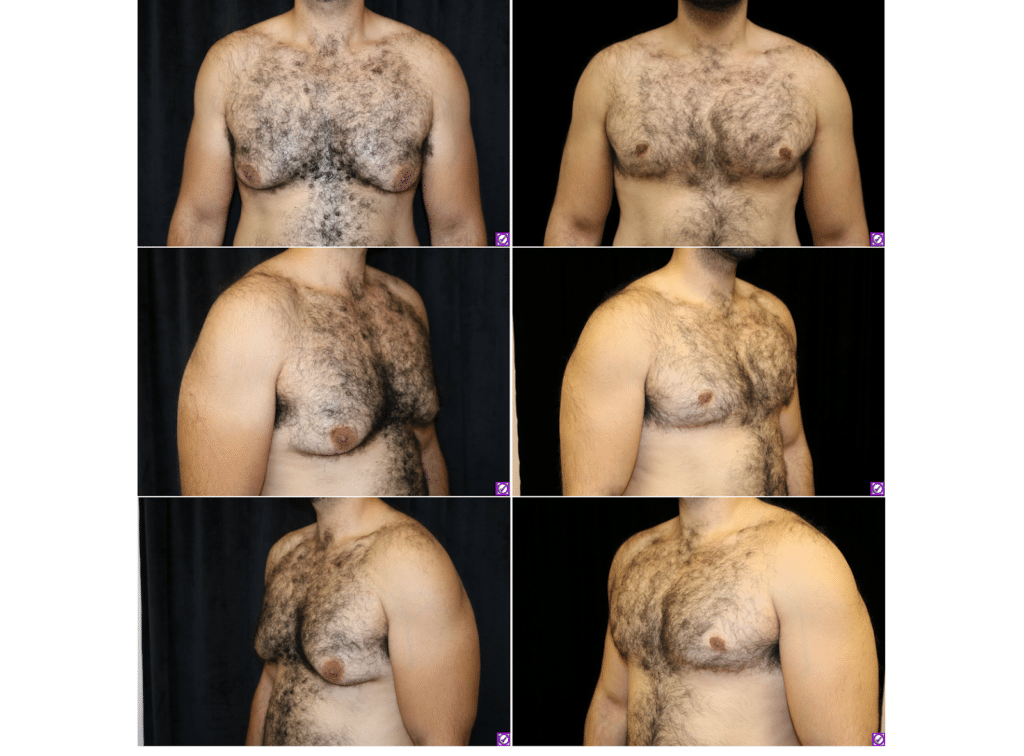
Severe gynecomastia with major skin redundancy requires additional techniques:
| Severity Level | Procedure Options |
| Moderate skin excess | Periareolar skin tightening |
| Significant excess | Skin excision with longer incisions |
| Massive weight loss cases | Mastectomy-style approaches, possibly with free nipple grafting |
These more extensive procedures leave longer scars, but are necessary to achieve a good result when there’s significant sagging skin that won’t contract on its own.
Non-surgical Measures
For some men—particularly those with pseudogynecomastia—lifestyle changes can help:
- Weight loss through caloric deficit
- Resistance training to build pectoral muscle
- Avoiding offending medications or substances
However, these approaches cannot remove established gland tissue. Once glandular gynecomastia has developed and persisted beyond the pubertal window, surgery is the only reliable solution.
Medical Treatments
Medications like tamoxifen or aromatase inhibitors may sometimes be appropriate for early or hormonally active gynecomastia. Studies show that tamoxifen can reduce glandular size by 70–80% in some cases over several months.
However, medication is less effective for long-standing fibrotic tissue and has its own side effects. Most patients with cosmetically bothersome gynecomastia ultimately require surgical treatment.
The Bottom Line
Before defaulting to any single approach, patients should seek a comprehensive evaluation. Understanding whether you have excess fat, excess glandular tissue, skin laxity, or some combination helps ensure you receive the appropriate treatment, rather than an incomplete procedure.
How to Determine What’s Best for You
Choosing between liposuction alone, combination surgery, or more extensive procedures requires a personalized evaluation. Here’s how an expert surgeon approaches this assessment.
Comprehensive Consultation
A thorough consultation covers:
- Medical history: When did the enlargement begin? Was it during puberty? Any other symptoms?
- Medication and supplement review: Including anabolic steroids, hormones, certain medications, and recreational drug use
- Weight history: Significant weight gain or loss can affect both the tissue composition and skin quality
- Family history: Some men have a genetic predisposition to gynecomastia
Physical Examination
The surgeon will assess:
- Gland-to-fat ratio: Pinching the tissue helps distinguish the firm gland from soft fat
- Skin quality and elasticity: Can the skin contract after tissue removal?
- Nipple position: Is there significant droop that would require repositioning?
- Chest symmetry: Are both sides similar or markedly different?
- Muscle development: How will the final contour look relative to pectoral muscle mass?
Additional Testing
In certain situations, further evaluation is warranted:
- Hormone labs (testosterone, estradiol) if a hormonal imbalance is suspected
- Imaging studies (ultrasound or mammography) to characterize tissue composition
- Referral to an endocrinologist for rapidly progressive or unilateral cases
- Evaluation to rule out male breast cancer (rare, but important to exclude)
Tailored Recommendations
Based on these findings, treatment recommendations are individualized:
| Presentation | Recommended Approach |
| Mild, primarily fatty | Liposuction alone may suffice |
| Mixed fat and gland | Liposuction + gland excision (most common) |
| Gland-predominant | Direct excision, possibly with liposuction for contouring |
| Severe with skin excess | Combination approach with skin excision |
| Massive weight loss | May require staged procedures |
Questions to Ask Your Surgeon
When evaluating potential surgeons, ask:
- How many gynecomastia surgeries have you performed?
- What percentage of your practice is gynecomastia vs. general cosmetic surgery?
- What is your revision rate for primary cases?
- Can I see before-and-after photos of patients with similar presentations to mine?
- What technique do you recommend for my specific case, and why?
The answers to these questions can help you identify surgeons with genuine expertise versus those who perform gynecomastia surgery only occasionally.
Why Dr. Delgado is a World-Renowned Gynecomastia Specialist?

Surgeon experience and specialization matter tremendously in gynecomastia surgery. This is technically demanding work, with results that are highly visible every time a patient removes his shirt—there’s no hiding suboptimal outcomes.
Unmatched Case Volume
Dr. Miguel Delgado has performed thousands of gynecomastia surgeries—over 5,000 cases—making him one of the most experienced gynecomastia surgeons in the world. This volume provides pattern recognition that less experienced surgeons simply cannot match.
Revision Surgery Expertise
Perhaps more telling than primary case numbers: approximately 40% of Dr. Delgado’s gynecomastia practice consists of revision cases. These are patients who are uncomfortable with the results of surgery performed elsewhere and seek his expertise for correction.
Common problems he corrects include:
- Persistent puffy nipples from liposuction-only approaches
- Craters or divots from over-aggressive gland removal
- Asymmetry between sides
- Contour irregularities from inexperienced surgeons
- Residual gland tissue left behind
This revision experience provides deep insight into what can go wrong—and how to avoid those pitfalls in primary surgery.
Diagnostic Precision
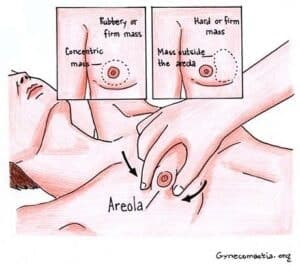
Dr. Delgado’s expertise in distinguishing between gynecomastia and pseudogynecomastia—and identifying the exact composition of each patient’s chest—allows him to plan the ideal combination of liposuction, gland excision, and skin procedures. This precision prevents both under-treatment (leaving residual tissue) and over-treatment (creating hollowed areas).
International Reputation
Patients travel from across the United States and internationally for treatment by Dr. Delgado. This worldwide reputation reflects recognition from both patients and peers that his results consistently meet the highest standards.
Safety-First Approach
Beyond technical skill, Dr. Delgado emphasizes:
- Thorough preoperative evaluation (including assessment of potential causes, such as drug-induced gynecomastia)
- Operating in accredited surgical facilities. Dr. Delgado has his own outpatient surgery center (Marin Cosmetic Surgery Center), a “Center of Excellence” for gynecomastia surgery.
- Meticulous, stepwise approach to chest contouring
- Comprehensive follow-up care
Your Next Step
If you’re uncertain whether liposuction alone, combination surgery, or a more advanced technique is the right solution for your chest, the answer isn’t found online—it’s found in a detailed, in-person consultation.
Dr. Delgado can evaluate your specific anatomy, discuss your goals, and recommend a personalized treatment plan designed to deliver the flat, masculine chest you’re looking for.

Key Takeaways
- Liposuction effectively addresses the fatty component of chest enlargement, but cannot reliably remove firm glandular tissue.
- For most men with true gynecomastia, the optimal approach combines liposuction with direct gland excision.
- Pseudogynecomastia (purely fatty enlargement) often responds well to liposuction alone, with satisfaction rates above 95%.
- Severe cases with skin excess require additional skin-tightening procedures.
- Choosing a surgeon with a high volume of gynecomastia cases significantly reduces complication and revision rates.
- Dr. Delgado’s 5,000+ cases and 40% of his practice devoted to revision surgery make him uniquely qualified for both primary and complex cases.
Take the First Step
Living with gynecomastia can make you feel self-conscious every time you take off your shirt—at the beach, the gym, or even in your own bedroom. It’s an embarrassing condition that diet and exercise alone cannot solve when glandular tissue is involved.
The good news: this is a solvable problem. The right surgical treatment, performed by an experienced specialist, can permanently restore a masculine appearance and transform your self-esteem.Don’t settle for a one-size-fits-all approach. Schedule a consultation with Dr. Delgado to receive a thorough evaluation and a personalized treatment recommendation tailored to your unique anatomy and goals. Whether you’re seeking primary treatment or revision after an unsatisfactory result elsewhere, you deserve an expert opinion from a surgeon who has dedicated his practice to treating gynecomastia at the highest level. Call us today at 415-898-4161 to schedule your personal consultation.

MIGUEL DELGADO, M.D.


Dr. Delgado, MD is a world-recognized plastic surgeon and specialist in the treatment of male breast enlargement, also called gynecomastia. He has developed new techniques and owns and operates gynecomastia.org, which has become the largest gynecomastia forum in the world. Dr. Delgado holds the two most coveted credentials; the certification by the American Board of Plastic Surgery and membership in the American Society of Plastic Surgery.